
Where to go now – November 2020

Martyn Fisher • October 28, 2020

With the welcome news that several destinations have recently opened up for UK travellers those dreams of catching some winter sun and escaping the ‘new normal’ are close to becoming a reality. Whilst there are more than 20 countries you can now visit without having to quarantine when you return to the UK, several of those are not currently welcoming overseas visitors.  Some too, whilst being destinations on the ‘green’ list, are not accessible mostly due to available flights and routes as well as quarantine requirements on arrival.

Here’s the low down of some of Greenstar Travel clients’ favourite destinations and the ones you can visit freely now.

Canary Islands

The ideal winter sun destination and the most welcome addition to the UK travel corridor list, the Canary Islands are perfect to visit now.  There is no need to self isolate either on arrival on any of the islands or once back in the UK however you will need to do the following:

  • Have a temperature check on arrival
  • Undergo a visual healthcheck on arrival
  • Provide contact information to the Spanish Ministry of Health as well as history of any know exposure to Covid-19 prior to travel.

Maldives

All visitors arriving into the Maldives must present a negative test taken no more than 96 hours prior to departure.  Additional testing may be required upon arrival into the Maldives.

Caribbean

Many of the Caribbean Islands are welcoming UK visitors and all have different restrictions in place.  The Caribbean islands are coming into their own now so perfect for a pre-Christmas or new year break. St Lucia, Antigua and Bermuda are the most welcoming currently:

St Lucia

You will need to provide a negative test upon arrival into St Lucia that was taken no more than 7 days prior to departure. Travellers will have their temperatures checked on arrival.

Antigua & Barbuda

All passengers over the age of 12 must provide a negative test upon arrival into Antigua and Barbuda taken no more than 7 days prior. A further test may be required upon arrival at VC Bird Airport in Antigua.

Bermuda

All UK visitors will need to provide a negative test upon arrival into Bermuda and will need to apply for Travel Authorisation before travel.

Greece

Some of the Greek Islands have a lovely long season so now is the time to enjoy a tranquil winter break in warm sunshine on islands such as Crete.  You must complete a PLF (Passenger Locator Form) at least 24 hours before your arrival in Greece to avoid being refused entry or receiving a fine.

Sweden

Sweden is probably the easiest country to currently visit.  There are no requirements on arrival and there is no need to wear a face mask whilst in the country. Sweden offers the ideal land of snow and ice and a wealth of adventures from experiencing the Northern Lights to dog sledding, snowmobiling and wildlife watching. Sweden is the ideal winter escape.

All information is correct at the time of publication – 28 th October 2020 – however the situation is changing all the time.  For expert help in securing a safe route to the sun and advice on where to stay do get in touch.  The office number is 01372 462226. Alternatively, do pop into the shop or email Martyn on martyn@greenstartravel.co.uk.  We would be delighted to help.

The post Where to go now – November 2020 appeared first on Greenstar.
By Martyn Fisher June 25, 2026
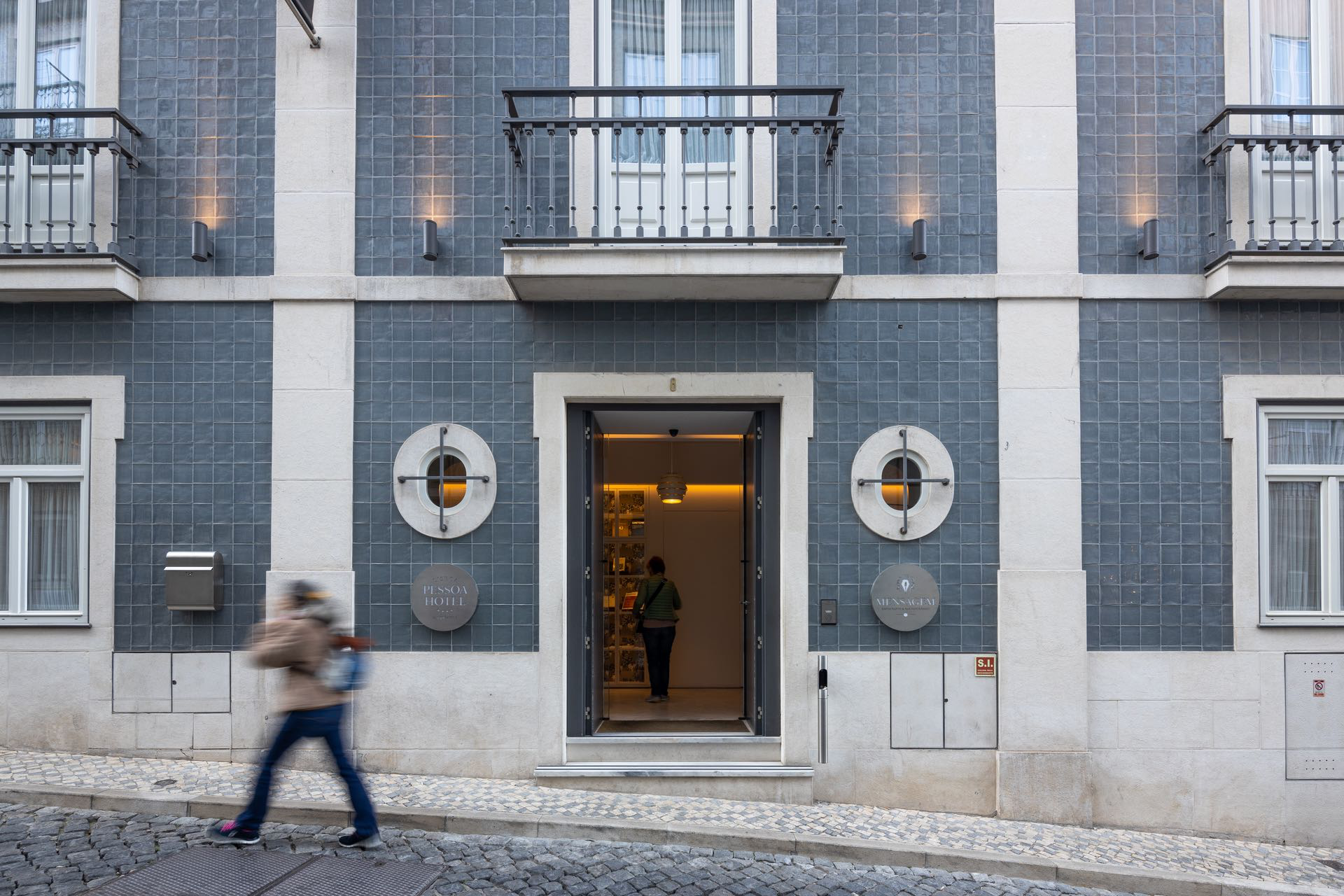
A couple of weekends ago, we decided it was time for a change of scenery. We wanted a destination with reliable sunshine, fantastic food and the opportunity to add another European city to our list. Lisbon quickly rose to the top of the shortlist. Having visited the Portuguese capital twice before on work trips, I already knew it had all the ingredients for a great weekend away – and it certainly didn’t disappoint. Arriving in Lisbon One thing worth mentioning immediately is passport control. Since the introduction of new biometric checks for UK travellers entering the EU, stories of long queues have become common. Thankfully, our experience was quite the opposite. We joined the queue and were through in around 20 minutes, with fingerprinting and biometric photographs completed quickly and efficiently. We had booked our trip as an easyJet Holiday package and our transfer driver was waiting for us when we arrived. Around 30 minutes later, we were checking into the excellent Lisboa Pessoa Hotel, perfectly positioned on the edge of the Bairro Alto and Chiado districts. The four-star hotel proved to be an excellent choice. It offers comfortable rooms, a lovely rooftop bar with views across the city and a very good restaurant serving breakfast, lunch and dinner. That said, Lisbon is blessed with so many fantastic restaurants that bed and breakfast is probably all you’ll need. As we had taken a later flight we didn’t arrive until around 9pm, so after settling in it was time to rest and prepare for our first full day exploring. A Walking Tour: The Best Way to Start The following morning, I had booked a walking tour of Lisbon – something I have come to regard as one of the best ways to get your bearings in a new city. It’s a tip I picked up from one of our partner operators, Kirker Holidays, who regularly recommend guided walks at the start of a trip. You don’t need to commit to an expensive four-hour private tour either. We opted for a relaxed two-hour “Get to Know Lisbon” walk, which cost around £30 per person. Our small group explored the historic streets of the old town while our guide shared stories, local history and useful insider tips. One particularly valuable piece of advice involved Lisbon’s metro and railway stations. In some locations, taking an escalator up or down and exiting from a different entrance can transport you to an entirely different level of the city, saving your legs from some of Lisbon’s famously steep hills. Trust me – you’ll appreciate every shortcut you can find. Exploring the City After our tour, we stopped for lunch just off Praça do Comércio. Despite being in one of the city’s most popular tourist areas, we found prices surprisingly reasonable. The afternoon was spent wandering through Lisbon’s streets and discovering hidden corners, one of the highlights being Livraria Bertrand in Chiado. Founded in 1732, it holds the Guinness World Record as the world’s oldest operating bookshop. Visitors can browse the shelves as normal, but one particularly nice touch is that any book purchased can be stamped to show it was bought at this historic store – a lovely souvenir for book lovers. Dinner at Time Out Market During our walking tour, our guide recommended the Time Out Market, so that evening we headed back there for dinner. We chose Pap’Açorda, located on the first floor, which had been recommended to us and served an excellent meal. However, if I were visiting again, I would probably do things slightly differently. The real appeal of the market lies downstairs, where dozens of food stalls showcase some of Lisbon’s best chefs and restaurants under one roof. The atmosphere is lively and informal, and the communal seating area allows everyone to choose exactly what they fancy. Looking back, we wish we had embraced the full food market experience. Castles, Custard Tarts and Monasteries The next morning, before the day became too hot, we tackled the climb to Castelo de São Jorge. The castle offers spectacular views across Lisbon’s rooftops and the River Tagus and is well worth a visit. Entry is included with the Lisboa Card, which quickly proved its value during our stay. For around €30, the card includes free or discounted entry to many attractions as well as unlimited use of public transport, making it a worthwhile investment if you plan to explore the city properly. Later that afternoon, we caught a bus to Belém to visit the original home of the famous Pastel de Nata. The bakery where it all began remains one of Lisbon’s biggest attractions, and it’s easy to see why once you taste one fresh from the oven. Just a short walk away is the magnificent Jerónimos Monastery, another landmark included with the Lisboa Card and one of Lisbon’s architectural highlights. Final Thoughts Lisbon is everything you could want from a city break: beautiful architecture, fascinating history, excellent food and a wonderfully relaxed atmosphere. Even after a long weekend, it felt like we had only scratched the surface. We didn’t even manage to take the short train journey to Cascais, which simply gives us another reason to return. If you’re looking for a European escape that combines culture, cuisine and sunshine, Lisbon should be very high on your list. I‘d love to chat more about it so do get in touch! Martyn
By Emma Macfarlane June 24, 2026
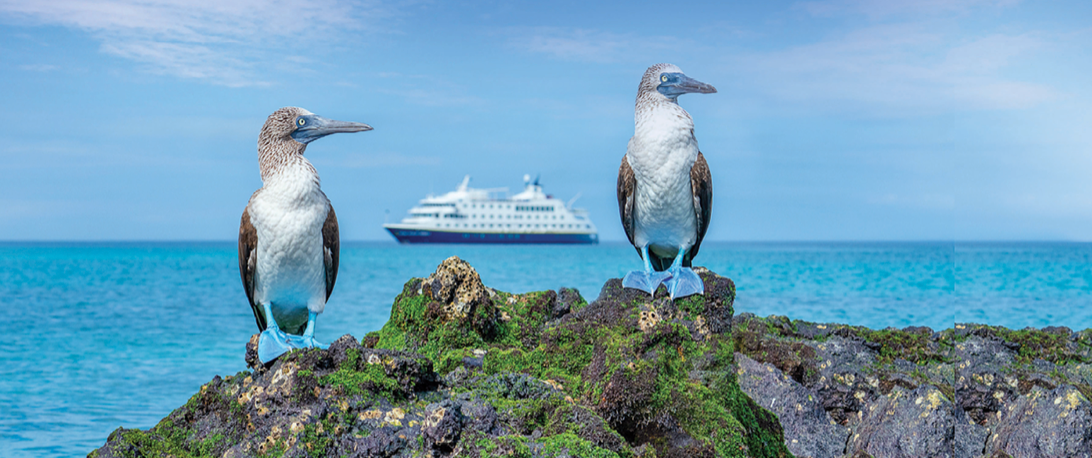
Few destinations are more iconic than the Galápagos Islands, where Lindblad Expeditions brought the very first group of citizen explorers more than 50 years ago. Sail among the varied landscapes of this magical archipelago to encounter giant tortoises, blue-footed boobies, playful penguins, and charismatic sea lions, all unfazed by your presence. With multiple ways to explore on land and at sea, including hikes, photo walks, kayaking, stand-up paddleboarding, and snorkelling, every day reveals new discoveries interpreted by a team of expert local guides. National Geographic Lindblad Expeditions have launched two brand new extended itineraries - the 13-day Epic Galápagos Escape departing from November 2026 and the 17-day Ultimate Galápagos launching in January 2027. Designed for travellers seeking a more immersive Galápagos experience, these new extended journeys combine multiple itineraries into one seamless expedition, offering access to more islands, landscapes, wildlife habitats and visitor sites than ever before. With the opportunity to explore up to twice as many islands, guests can enjoy a deeper understanding of the archipelago’s extraordinary diversity at a more relaxed pace, with greater flexibility and time for exploration. These longer expeditions also increase the chances of rare wildlife encounters across a variety of ecosystems, creating an unforgettable way to experience the full wonder of the Galápagos. Travelling with National Geographic-Lindblad Expeditions means going beyond the ordinary. With a fleet of more than 20 purpose-built expedition ships, guests can explore some of the world’s most remote destinations alongside expert guides, naturalists and specialists with decades of experience. Selected departures are joined by National Geographic photographers and certified photo instructors, while daily recaps and real-time insights from onboard experts create a rich and immersive experience both on and off the ship. From hands-on conservation initiatives and locally inspired cuisine to educational programmes for young explorers and support for artisan communities around the world, every journey is designed to deepen connections with the places visited and the people who call them home. Get in touch to find out more.
By Emma Macfarlane June 10, 2026
It starts with a conversation with us
By Emma Macfarlane May 7, 2026
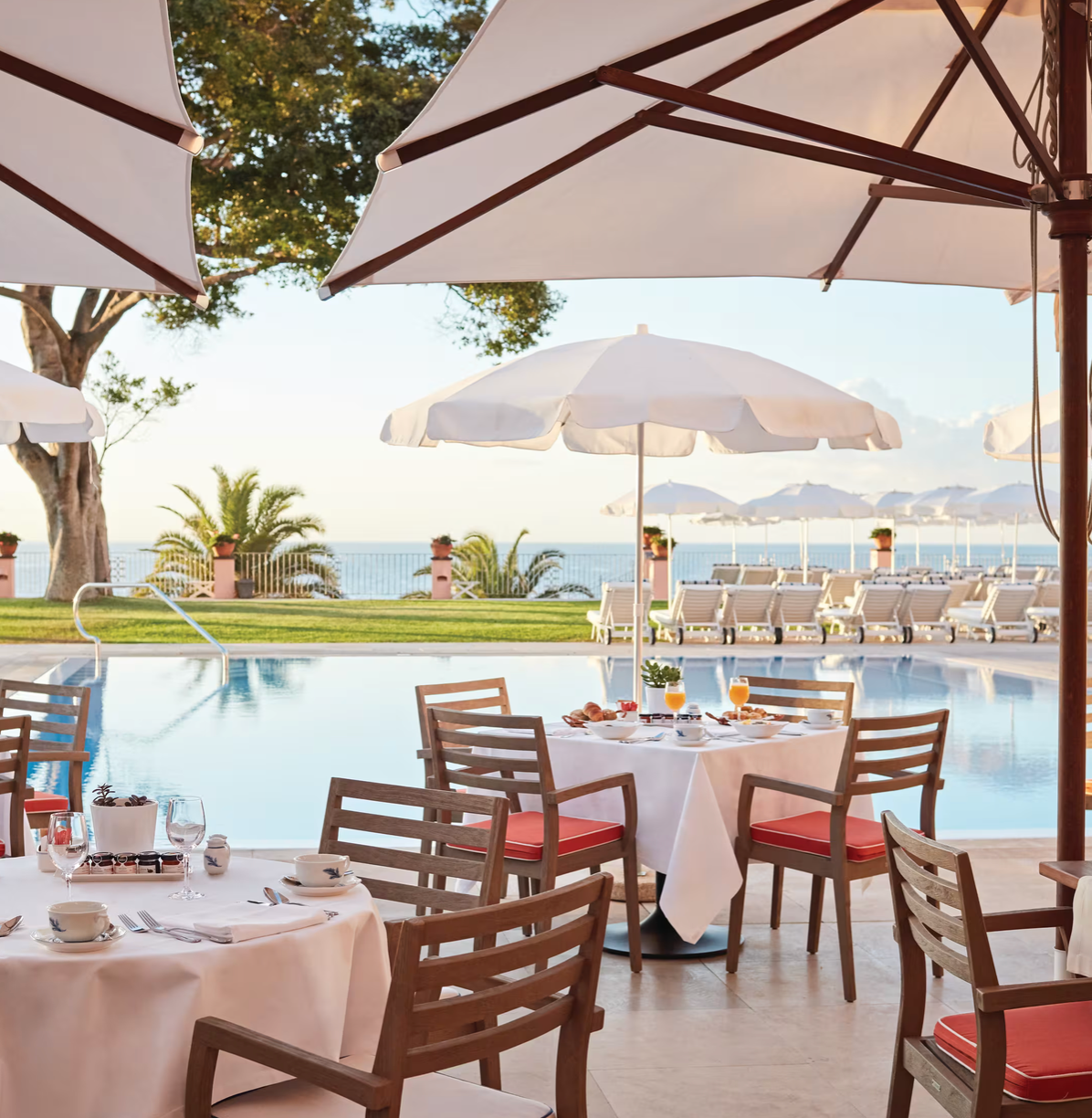
Jennie has just returned from Madeira and a stay at the iconic Reid’s Palace. This is what she had to say. Opened in 1891 and now part of the Belmond portfolio, this renowned five-star hotel combines timeless elegance with exceptional service. Perched on a dramatic clifftop overlooking Funchal, it offers breathtaking views of the Atlantic, along with beautifully maintained gardens, original architectural features, and three swimming pools. One of the highlights of our stay was the hotel’s famous afternoon tea, served on the terrace with panoramic views across the bay - an experience made even more special as we watched cruise ships arrive and depart. The hotel’s rich history adds to its charm; notable guests such as Winston Churchill have stayed here, and the complimentary guided tours of the property and gardens provide fascinating insights into its heritage and diverse plant life. During our visit, we made the most of what Madeira has to offer. We explored the picturesque fishing village of Câmara de Lobos, enjoyed a memorable boat trip spotting whales and dolphins, and took the cable car up to Monte before experiencing the famous toboggan ride back down. We also spent time visiting the local market, dining at excellent restaurants, and strolling through the charming streets of Funchal. Overall, Madeira exceeded our expectations, and I would highly recommend it as a destination. Reid's Palace in particular stands out as a truly exceptional place to stay, offering a perfect combination of location, history, comfort, and outstanding hospitality. For more information, get in touch with Jennie. .
By Emma Macfarlane March 19, 2026
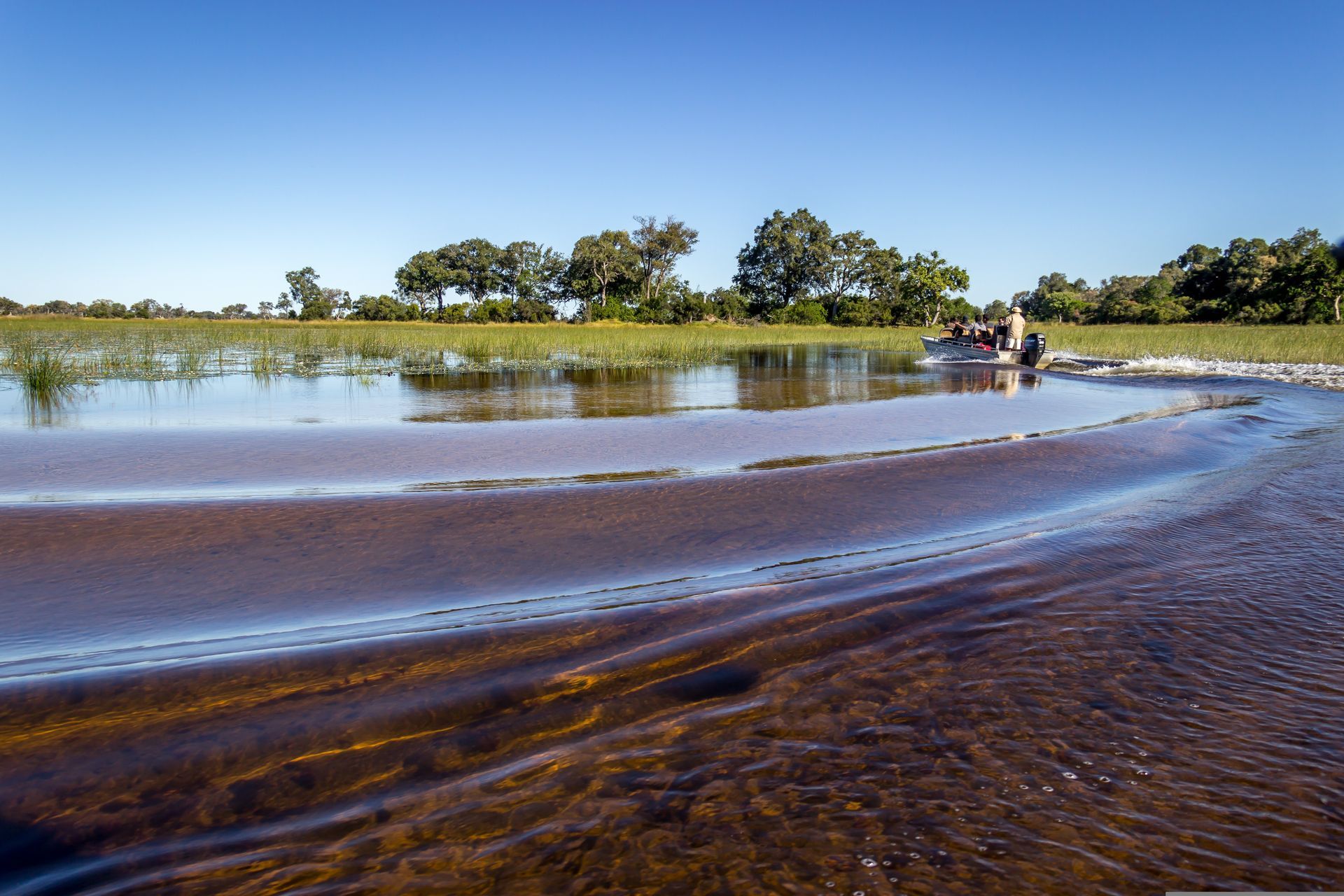
Tucked deep within the vast Kalahari Basin lies one of the world’s most extraordinary natural wonders: the Okavango Delta. This iconic wetland, shimmering like an oasis in a country that is nearly 80% arid, is the beating heart of Botswana’s wilderness. Fed by rains that fall over 1,000 km away in central Africa, the delta spills life into the desert, sustaining an astonishing diversity of wildlife and creating one of the most sought after safari destinations on Earth. A Landscape Untouched by Time The Okavango Delta is a place where nature still calls the shots. Its peaceful channels, papyrus-lined waterways, and remote islands feel almost untouched by human hands. This is wild Africa in its purest form - a sanctuary where ecosystems thrive as they have for millennia. During the wet season, the surrounding plains burst into lush grazing, drawing large mammals away from the delta. As winter approaches and the grasses thin, the wildlife returns in dramatic numbers. This seasonal ebb and flow creates some of the most spectacular game viewing anywhere on the continent. A Wildlife Haven Like No Other From the deep marshes to the dry island outcrops, the Okavango offers an unmatched variety of species in a single journey: • Hippos wallowing in quiet lagoons • Water birds in dazzling abundance • Rare water-adapted antelope like the sitatunga • Elephants, giraffes, lions, and cheetahs roaming the islands Botswana’s commitment to conservation has ensured that this biodiversity remains intact. With over 1,000 plant species, more than 400 bird species, and a thriving population of iconic mammals, the delta is a living testament to what protected wilderness can achieve. One of the most inspiring conservation stories is the return of the White Rhino. Once wiped out from this region, they were reintroduced in 2001 - and today, they are breeding once again. Botswana: A Country Devoted to Conservation Botswana stands as one of Africa’s last true wilderness strongholds. An impressive 35% of the country is dedicated to conservation - one of the highest proportions in the world. This commitment has preserved vast landscapes like the Okavango Delta, Chobe National Park, and the Moremi Game Reserve. Chobe alone is home to an estimated 70,000 elephants, the largest concentration on the continent. Watching these giants migrate across the plains—sometimes covering up to 200 km - is one of Africa’s great wildlife spectacles. The Classic Botswana Safari: 7 Days of Pure Adventure Destinations: Chobe National Park | Okavango Delta | Moremi Game Reserve Duration: 7 Days / 6 Nights Itinerary Highlights • Glide silently through the Okavango’s channels on a traditional mokoro • Witness enormous elephant herds in Chobe National Park • Enjoy exclusive big game viewing in pristine wilderness • Fly between remote lodges in true Out of Africa style This itinerary can begin or end in Maun or Kasane, and it’s flexible - extend it, shorten it, or focus on just two regions if time is tight. When to Go April and May are fair, June and July are good. The late dry season (August - September) is particularly magical, with wildlife congregating around shrinking water sources and the delta at its most accessible. For more information, get in touch .
By Emma Macfarlane March 18, 2026
If you’re craving that first warm glow of the year, spring is the perfect moment to slip away for a few days of sunshine. From the subtropical landscapes of Tenerife to the serene shores of Menorca, we’ve handpicked six destinations, with the help of our friend at Kirker, that shine brightest at this time of year. Whether you’re after culture, coastlines or complete tranquillity, we can help you find the perfect fit. 🌿 Son Vell ★★★★★ — Menorca A beautifully restored 18th‑century sandstone manor, Son Vell feels like stepping into a peaceful Menorcan dream. Surrounded by landscaped gardens and olive groves, its 34 rooms and suites are dotted across historic estate buildings, decorated in soft tones and antique furnishings. With two excellent restaurants and Ciutadella just 20 minutes away, it’s a refined rural retreat. Offer: 4 nights for the price of 3 (16 April – 10 June) From: £1,639 per person (saving £410) San Roque ★★★★ Superior — Tenerife Tucked away in the charming northern town of Garachico, San Roque is a world apart from Tenerife’s busier southern resorts. This 18th‑century former residence has been transformed into a stylish boutique hideaway with just 20 contemporary rooms, a heated outdoor pool, a rooftop terrace, and an excellent restaurant. From: £998 per person for 3 nights Domes Miramare ★★★★★ Deluxe — Corfu This adults‑only, design‑forward resort sits among lush gardens and olive trees that lead down to a peaceful pebble beach. Just 20 minutes from Corfu Old Town, Domes Miramare offers 182 elegant rooms and suites—many with Ionian Sea views, and some with private pools or jacuzzis. Three restaurants serve Mediterranean, Greek, and Corfiot flavours. From: £1,058 per person for 3 nights Farol ★★★★ Deluxe — Cascais Cascais, just 15 miles from Lisbon, blends coastal charm with a lively atmosphere. Farol Hotel captures that spirit perfectly: a strikingly modern property set within a 19th‑century mansion perched above the Atlantic. Its 33 monochrome‑styled rooms—many with ocean‑view balconies—pair beautifully with the hotel’s Mediterranean restaurant and sushi bar. From: £828 per person for 3 nights Hotel Casa Palacio Maria Luisa ★★★★★ — Jerez In the heart of Jerez, this grand former residence has been lovingly restored into a 21‑room boutique hotel that radiates Andalusian elegance. It’s the ideal base for exploring the region’s pueblos blancos and world‑famous sherry bodegas. A rooftop pool and serene garden offer a peaceful escape from the city’s vibrant streets. From: £998 per person for 3 nights Parador de La Palma ★★★★ — La Palma For those seeking a quieter Canary Island experience, La Palma is a gem. The Parador sits just 10 minutes from both the airport and Santa Cruz, offering traditional Canarian architecture—whitewashed walls, red‑tiled roofs, wooden balconies—and sweeping Atlantic views. All 70 rooms have private balconies overlooking the sea or gardens, and the pool is perfectly positioned for sunset watching. From: £896 per person for 3 nights Give us a ring or pop in and see us in Claygate to chat about your next holiday.
By Emma Macfarlane February 23, 2026
If you are still contemplating where to go this summer, this might help. With the help of our friends at Audley Travel, we have compiled an overview of where to travel in June. Peru - June is Peru at its finest, so securing plans early is essential. With the rains fading in May, the country turns brilliantly green under warm, clear days, while high-altitude nights stay refreshingly cool. It’s an ideal moment for trekking the Inca Trail. Throughout the month, you’ll find a series of festivals across the country, which builds up to Inti Raymi. Held just after the summer solstice, it’s a celebration dedicated to Inti, the benevolent Inca sun god. Uganda - June is one of Uganda’s standout months. The second dry season is just beginning, so rain is rare, yet the landscape remains lush from the recent showers. Roads are at their best too, making the journey into Bwindi Impenetrable Forest far smoother. Bwindi is one of very few places in the world you can track highly endangered mountain gorillas, and June provides some of the best conditions for hiking to see them. You can also head to Kibale Forest National Park to see habituated groups of chimpanzees. Zanzibar - June is a superb moment to experience Zanzibar. The long rains have eased, leaving only the odd light shower that keeps crowds pleasantly sparse. You get wide, white beaches, warm breezes and mostly blue skies with space to enjoy them. It’s also an inviting time to wander Stone Town, visit spice farms, explore Jozani Forest in search of red colobus monkeys or head out on a dhow to spot dolphins. You might combine a stay here with a safari on Tanzania’s mainland, where the parks and reserves are at their greenest, birdwatching is excellent and animals are in prime health. Greece - Across Greece’s mainland and islands, June is an exceptional time to visit. Everything is fully open and the temperatures start to rise, but the real heat doesn’t set in for another month or so. You’ll be able to enjoy pleasantly warm temperatures without the summer throngs, either in the cities or on the beaches. June is also when many festivals take place across the country. For example, the Athens and Epidaurus Festival showcases theatrical performances in both cities. It’s a chance to see ancient Greek plays performed in ancient venues, including the Theatre of Epidaurus. Mauritius - June is especially appealing in Mauritius. The island’s subtropical warmth is gentler now, with fewer visitors and pleasantly less‑humid days - perfect for lingering on its white‑sand beaches. It’s also an inviting moment to explore offshore islets and snorkelling spots, particularly on a private boat tour. The Chamarel Mountains, in the south, see the occasional burst of rain, which keeps them green. You can take a private tour through this verdant region to see the sugarcane fields, tea plantations, and national parks there. Malaysia - June is an excellent moment to explore Malaysia’s east coast. Whilst the capital and west remain year‑round options, the islands here are in the heart of their dry season. Diving conditions off Tioman, Redang and the Perhentians are at their clearest, with hot, dry weather and superb visibility. You might start off with a few days in Kuala Lumpur, where you can take a walking tour to sample the street food. Then you could visit the Sultan’s Palace in Kuala Terengganu, before ending with a few days on the beaches of Tioman. Where will you choose? If you are still looking for inspiration, pop in and see us in Claygate or get in touch .
By Emma Macfarlane February 18, 2026
Canada is close to our hearts here at Greenstar Travel and a country which we know extremely well. This time, we are focusing on British Columbia, a region of diverse abundance - a kaleidoscope of terrain, cultures and adventures coming together to create something truly super, natural. Giant mountain ranges, merging into lush rainforests, spilling onto endless coastlines, feeding life into bustling cities. This vast and ever-changing landscape is shaped by nature in every sense. Here, countless adventures emerge. One day begins ascending a mountain peak, before dropping into a vibrant city full of culture then stopping to breathe on a sandy beach to take in the sunset. Another day may find you hiking a trail that has been followed for millennia, weaving through an old-growth forest and winding along a rocky coastline, where waves break and a storm rolls in over the horizon. For those curious at heart, who crave connection with nature, British Columbia is a world full of natural wonder. Rainforest to Rockies Rainforest to Rockies is the quintessential Canadian journey along ever-changing landscapes from Vancouver on the Pacific Coast to the Canadian Rockies. Experience rugged shorelines, lush rainforests, sophisticated cities, fertile valleys, arid desert, golden grasslands, and towering mountains as you make your way from sea to sky, by road, rail or trail. This trip is packed with adventure. It’s an invitation to find tucked-away places, see wildlife in its natural habitat, and meet welcoming locals and diverse cultures along the way. The Great Wilderness Journey into The Great Wilderness, the northernmost area of British Columbia where adventures await curious wanderers. Here, travellers will discover the extraordinary in glaciated valleys and lava beds, magnificent mountains and thundering waterways. It’s a place where history is sacred and legends linger, passed down through generations of Indigenous Peoples who have stewarded the land for millennia. The Infinite Coast The Infinite coast is the journey along the dramatic Pacific edge of Canada where ocean, land, and forest intertwine, shaping a landscape in constant motion. The Pacific’s tides carve deep into the shore, rainforests rise from the mist, and mountains stand tall against wind and waves. Here, nature’s power is felt in every moment—paddling waters where whales may surface, sailing past cliffs shaped by storms, or trekking through shadowy forests where the trees seem to breathe. Over 50 First Nations steward this coastline, preserving traditions woven into land and sea, while sharing their knowledge with visitors. To travel The Infinite Coast is to move with its energy, shaped by the Pacific’s relentless pull. Nature’s Heartland n Nature’s Heartland, the land doesn’t just hold stories—it tells them. The Fraser River weaves through canyons and plateaus, shaping both the terrain and the lives connected to it. As the river flows, so do the experiences—riding horseback along timeworn trails, rafting whitewater bends, moving through landscapes still shared with caribou, wild horses, and circling eagles. That deep connection runs through generations. Indigenous Peoples continue to care for this land, sharing knowledge passed down through stories, art, and tradition. Ranchers and artisans follow seasonal rhythms, shaped by the same forces. Here, history lives in the landscape, and nature continues to weave past and present into new stories. Valleys and Vineyards Valleys & Vineyards invites you to experience a land of lush valleys, cooling lakes, and quiet rejuvenation. Rooted in tradition and sustainability, this area is home to the Seven Generations Pledge—a commitment to preserve lands for future generations, inspired by Indigenous philosophy. Golden hills and life-giving waters meet vineyards, where award-winning wines and farm-to-table dining celebrate the land’s generosity. Here, adventure flows at your pace—paddle tranquil waters, cycle scenic trails, or wander along sunlit paths. Nature and culture intertwine, offering moments to reflect, connect, and savour. Gather with friends, share laughter, and celebrate being at one with the land. This is where souls are nourished. Wildlife in British Columbia Where to start? The province of British Columbia will enthral you with its diversity of wildlife viewing due to the variety of landscapes. Just to whet your appetite here are ideas: Victoria: 3 resident pods of Orca inhabit the waters around Victoria and sometimes a pod of transient Orca can be seen. Humpback whales, dolphins, porpoises, seals, sea lions, sea otters and a myriad of sea birds can be seen including bald eagles. Tofino : specific excursions can be taken to view whales (mainly Pacific Gray) and other marine wildlife while, at low tide, you can enjoy a black bear viewing tour. The bears come to the shoreline in search of their favourite food, rock crabs, but they’re also over-turning rocks looking for clams and other molluscs. Telegraph Cove : the area of Johnstone Strait is recognised as one of the world’s best areas for Orca viewing but there’s also a good chance of seeing Humpback as well as other marine wildlife. Campbell River : whale watching excursions operate from here to Johnstone Strait and full day excursions travel to Bute or Knight Inlet looking for grizzly bear during September & October. Grizzly Bear Viewing Lodges : offering multi-day packages there are some amazing lodges in remote areas specifically aimed at Grizzly Bear viewing. For example, Knight Inlet Lodge (spring to late August mum & cub viewing while late August to mid-October it is viewing bears feasting on salmon), Farewell Harbour Lodge (bears and whales) and Great Bear Lodge. There’s also Spirit Bear Lodge looking, as the name suggests, for the elusive Spirit Bear (Kermode bear) which is a black bear with a double-recessive gene which gives the bear a creamy coloured fur. On the mainland there are also bear viewing lodges such as Tweedsmuir and Wild Bear Lodge. Whistler offers a great chance of seeing black bear as the area is home to around 80 bears, and they can often be seen on the ski slopes feeding on wildflowers, clover and grass. As you can tell, British Columbia offers amazing viewing opportunities for bears, whales and other marine wildlife. For bear viewing there are day excursions or lodges for multi-day viewing. Whale watching can be by boat, zodiac or even kayak! Rocky Mountaineer Board the award-winning Rocky Mountaineer for ‘one of the most spectacular train trips in the world’ on their two and three-day all-daylight journeys. This is rail travel at its finest, offering stunning scenery of British Columbia and Alberta as you follow historic train routes constructed over 100 years ago. Sit back, relax, and enjoy breathtaking views of forests, deep canyons, winding rivers, majestic mountain ranges and glacier-fed lakes. Butchart Gardens Explore these wonderful themed gardens, a National Historic Site of Canada, at your own pace; visit the Japanese, Rose, Sunken and Italian Gardens to marvel at the various displays. Includes shuttle service from outside the Fairmont Empress Hotel. Sea to Sky Whistler Village Tour By coach, travel along the scenic Sea to Sky Highway to Whistler and, on arrival, you’ll have around 4 hours free time. Your excursion also includes highlights such as Shannon Falls, the 3rd highest waterfall in British Columbia and the Sea to Sky Gondola which gives spectacular views of Howe Sound. Black Bear Viewing in Whistler Enjoy an off-road black bear viewing by Land Rover accompanied by a professional nature guide. Starting in late April, black bears emerge from hibernation and begin to feed on the new spring growth of grasses. Take in the majestic panoramic views of the Coastal Mountain Range while keeping a watch out for bears, deer and even coyotes that call this area home. Discover British Columbia's incredible wildlife on an amazing 12 day adventure. Click here for more information or get in touch .
By Emma Macfarlane January 28, 2026
Slovenia may be a small country but it has an extraordinary amount to offer and a stunning sense of scale - a place where Alpine peaks, vineyard covered hills, shimmering lakes and a short stretch of Adriatic coastline all sit within easy reach of one another. Its compact size means you can wander through medieval streets in the morning, hike a mountain trail after lunch and sip wine in a sun drenched valley by evening, all without feeling rushed. A landscape shaped by nature The country’s natural beauty is its greatest calling card. The Julian Alps dominate the northwest, home to Triglav National Park and some of Europe’s most rewarding hiking routes. Lake Bled, with its fairytale island church and clifftop castle, is the iconic image of Slovenia, while nearby Lake Bohinj offers a quieter, more rugged alternative surrounded by forest and towering peaks. The Soča Valley, with its emerald green river, draws kayakers, rafters and photographers from around the world. Culture, history and characterful towns Slovenia’s towns and cities are rich in charm and history. Ljubljana, the capital, is a delight - leafy, walkable and full of elegant bridges, riverside cafés and colourful architecture shaped by the famous architect Jože Plečnik. Coastal Piran brings a touch of Venetian romance with its narrow lanes and terracotta rooftops, while Ptuj, the country’s oldest town, offers medieval streets, ancient wine cellars and a hilltop castle with sweeping views. Throughout the country, folk traditions, festivals and regional crafts remain an important part of daily life. A rising star in European gastronomy Slovenia’s food scene has blossomed in recent years, blending Alpine heartiness, Mediterranean freshness and Balkan spice. Expect seasonal, locally sourced dishes, from wild mushrooms and freshwater fish to artisanal cheeses and honey. The wine regions - particularly Goriška Brda, Vipava Valley and Podravje - produce excellent whites and increasingly notable reds, often enjoyed in family run wineries where hospitality feels genuinely personal. Adventure, wellness and the great outdoors For active travellers, Slovenia offers endless possibilities: hiking, cycling, canyoning, skiing in winter and exploring vast cave systems such as Postojna and the UNESCO listed Škocjan Caves. Those seeking relaxation will find natural thermal spas, peaceful lakeside retreats and quiet countryside hideaways perfect for switching off. A destination that feels both undiscovered and effortless What makes Slovenia especially appealing is how easy it is to explore. Distances are short, the atmosphere is calm and welcoming, and the country’s commitment to sustainability is evident everywhere - from pristine national parks to eco friendly hotels and farm stays. It’s a place that feels both refreshingly unspoilt and wonderfully accessible. This piece was inspired by our colleagues at Just Slovenia .
By Emma Macfarlane November 25, 2025
Few places celebrate natural diversity quite like Gran Canaria. On this extraordinary Canary Island, you can journey from rugged northern coastlines through lush laurel forests, across ancient volcanic craters, and up into the dramatic central mountains. Continue south and you’ll descend through fragrant pine woods and deep ravines until you finally reach golden dunes and desert-like landscapes. To help you make the most of this visual treasure trove, here are the best locations for stunning photographs. Las Palmas de Gran Canaria Perched on the northeast coast, Las Palmas isn’t just the island’s capital - it’s also the largest city in the entire archipelago. Its famous beach, Las Canteras, stretches for kilometres and offers varied scenes: palm-lined sands and colourful fishing boats in the north and surfers carving through misty waves in the south. Wander into the historic Vegueta district and you’ll find cobbled streets framed by elegant Gothic and Renaissance architecture. At its heart stands the Cathedral of Santa Ana, the oldest church in the Canaries, dating back to 1500. Nearby, the ornate Casa de Colón—where Christopher Columbus stopped in 1492—now hosts a museum dedicated to his voyages. Tip: Don’t leave without trying the delicious tapas served throughout the old quarter. Agaete Natural Pools On the northwest coast, the tiny fishing village of Puerto de Las Nieves charms visitors with its blue-and-white Canarian houses and relaxed seafront promenade, the Paseo de los Poetas. Follow the walkway to reach Las Salinas, a series of natural lava-formed pools once used to harvest sea salt. Today, the pools offer a unique and exhilarating place to swim. Rock barriers soften the force of the Atlantic waves, and volcanic tunnels connect the three pools. Flat sunbathing areas and the striking backdrop of pine-covered mountains make this a favourite spot for photographers. Tip: Warm up after your dip with caldo de pescado, the local fish soup. Mirador del Balcón A scenic drive along the west coast’s GC-200 highway—passing the rainbow-coloured rocks of Los Azulejos—leads to the breathtaking Mirador del Balcón. This dramatic viewpoint juts out from 400-metre-high cliffs, giving you panoramic views over the Atlantic. On clear days, you can see north toward Puerto de Las Nieves and south toward the serrated “Dragon’s Tail” cliffs. Inland lie the green valleys of La Arena and La Aldea de San Nicolás, while the distant silhouette of Mount Teide on Tenerife floats on the horizon. Tip: Arrive at sunset—this viewpoint is famous for unforgettable golden-hour shots. Roque Nublo & Roque Bentayga At the island’s centre, the towering monolith of Roque Nublo rises to 1,813 metres and is one of the world’s tallest free-standing rocks. Once a sacred site for the Guanches—the island’s original inhabitants—it offers spectacular views of Pozo de las Nieves, Gran Canaria’s highest peak, and the equally significant Roque Bentayga. Roque Bentayga, at 1,404 metres, served as a natural fortress. Its cliffs hide ancient granaries, ceremonial caves, and wall paintings left by generations of Guanche communities. A steep but rewarding path leads to the almogarén, a ceremonial site where the interplay of sunlight and shadow creates a mystical atmosphere. Tip: During the solstice, a single sunbeam illuminates a carved stone circle—an ancient astronomical marker. Maspalomas Dunes At Gran Canaria’s southernmost point lies the spectacular Maspalomas Dunes, a 404-hectare protected reserve of rolling golden sand. This unusual mix of desert, beach, palm groves, and freshwater lagoon was shaped by sand blown from the ocean floor during the last Ice Age. Though close to popular resorts like Playa del Inglés and Meloneras, the dunes offer plenty of peaceful, untouched corners—especially if you’re willing to wander deeper into the reserve. When the wind clears the footprints, the dunes become a photographer’s dreamscape. Tip: Visit at dawn for magical light and beautifully textured sand. Puerto de Mogán At the far southwest of the island, Puerto de Mogán combines a tranquil fishing harbour, a stylish yacht marina, and a sheltered family-friendly beach. The village spills down a steep valley, its crisp white buildings contrasting beautifully with the rugged mountains behind. Charming pedestrian streets bloom with bougainvillea, while canals connecting the marina to the port have earned the village the nickname “The Venice of the Canaries.” With quaint bridges, waterfront promenades, and excellent seafood restaurants, it’s an idyllic place for evening photography. Tip: Visit on Friday mornings for the lively open-air market along the fishermen’s quay. To plan your Canary Islands trip, do get in touch .