
Sri Lanka: an island of extraordinary contrasts
Few destinations pack quite so much variety into one island.
Sri Lanka is a place where ancient kingdoms, fragrant tea plantations, golden beaches and extraordinary wildlife come together against a backdrop of lush tropical landscapes.
Its story is equally rich. Centuries of Portuguese, Dutch and British influence have left their mark on the island’s architecture, traditions and cuisine, while its ancient Buddhist heritage can be discovered in temples, ruins and sacred sites across the country.
At the heart of Sri Lanka lies the Cultural Triangle, stretching between the ancient capitals of Anuradhapura, Polonnaruwa and Kandy. Here, history comes vividly to life. Explore the atmospheric cave temples of Dambulla, discover the ruins of Polonnaruwa or climb the dramatic rock fortress of Sigiriya, rising above the surrounding jungle and one of the island’s most unforgettable sights.
Further south, the landscape changes dramatically. In the cool central highlands, emerald tea plantations cover the hillsides, while historic railways wind through misty valleys and mountain scenery. A journey by train is one of the most memorable ways to experience this beautiful region — and, of course, there is always time for a cup of fragrant Ceylon tea along the way.
For wildlife lovers, Sri Lanka is hard to beat. Its national parks offer the chance to encounter elephants, leopards, sloth bears and crocodiles in their natural habitats. Head to Yala, Udawalawe or one of the island’s other wildlife-rich parks for a safari, or venture offshore in search of whales along the southern coast at the right time of year.
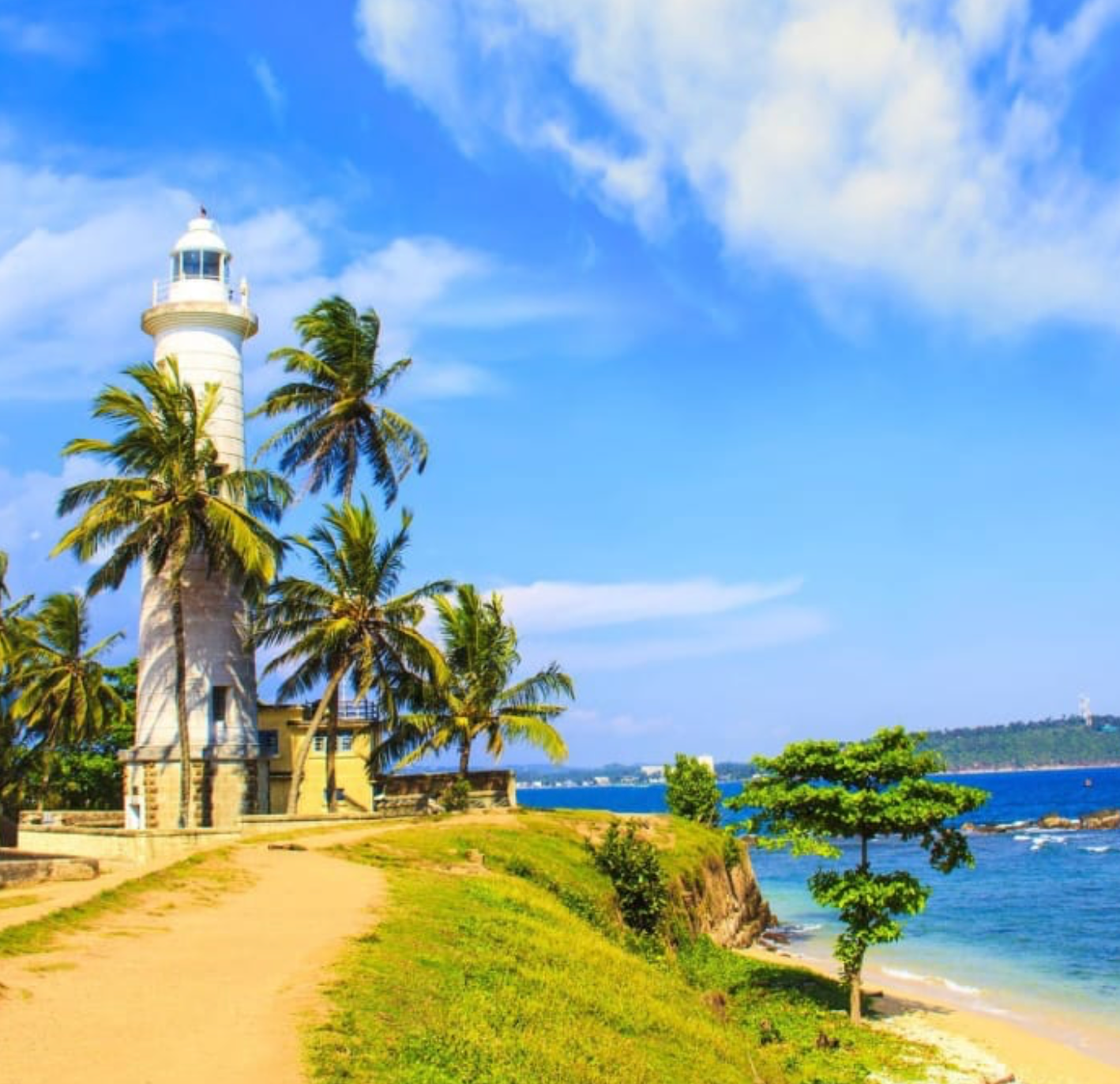
Then there is the coast. Palm-fringed beaches invite long, lazy afternoons, while the historic city of Galle offers something altogether different. Wander the atmospheric lanes of its UNESCO-listed fort, browse independent shops and galleries, or simply settle into a café and watch life unfold around you.
And wherever you travel, food is part of the experience. Sri Lankan cuisine is vibrant, fragrant and wonderfully varied, from freshly caught fish and aromatic curries to hoppers, pol sambol and an abundance of tropical fruit. Pair it with Ceylon tea, or perhaps sample a little local Arrack in the evening.
A journey made for exploring
Sri Lanka rewards those who take their time. Days might begin among ancient ruins, continue with a scenic train journey through the hills and end with a safari or sunset on the coast. Along the way, there are opportunities to meet local communities, share a game of cricket with residents, learn about traditional cooking or simply enjoy the warmth and hospitality for which the island is known.
With a wonderfully varied choice of carefully selected hotels, from Colombo and the Cultural Triangle to the hill country, safari regions, southern coast and East Coast, Sri Lanka lends itself perfectly to a tailor-made touring holiday.
When to visit
Sri Lanka can be visited throughout much of the year, although the ideal time depends on where you plan to travel. November to March generally brings the driest conditions to the south and west, while April to September is a popular period for exploring the Cultural Triangle and parts of the east.
The island is influenced by two distinct monsoon seasons, with the south-west and central hills typically experiencing the south-west monsoon from May to September, and the north and east affected by the north-east monsoon from November to February.
Whenever you choose to visit, Sri Lanka offers an extraordinary combination of culture, wildlife, scenery, food and warm hospitality — all within one captivating island.
Inspired by our colleagues at Lusso - explore their Sri Lanka programme here and get in touch with us to find out more.