

Costa Rica, Panama City and Miami
Emma Macfarlane • July 10, 2024
This fabulous 18 day journey to Costa Rica, Panama City and Miami arranged through Audley Travel starts in the Central Valley, (25 minutes from San Jose). The trip continues to Arenal (rainforest), Monteverde (cloud forest) and Manuel Antonio (rainforest/beach). Panama is the next stop for two nights to experience the canal transit tour then onto Miami for four nights at South Beach.
Day One
Fly from London Gatwick to San Jose Juan Santamaria International Airport.
Spend a couple of days in the Central Valley surrounded by coffee plantations relaxing and acclimatising to your surroundings.
Day Three
Transfer from San Jose to Arenal.
Stay in Arenal with views of the volcano for three nights.
Enjoy a private guided tour of the Arenal Volcano National Park. The trip will take you
first for a walk through the rainforest admiring the diverse flora and fauna of the area and lasts about two hours.
Here you can go on an Arenal Hanging Bridges Early Birds Tour, a perfect tour for birdwatchers. An early morning tour takes advantage of the cooler mornings when birds are most active. You'll be collected from your hotel and transferred to the Arenal Hanging Bridges, a series of eight standing and six hanging bridges in the lush rainforest canopy of the vast private reserve. The tour starts around 5.30am with a group naturalist guide taking you along seven of the bridges and regular trails before taking an alternative birding trail as well as exploring nearby areas - including the unsuspecting parking area where birds are frequently sighted. Fifty to sixty species are regularly counted during the tour and
you should expect it to last around three to four hours in total, including time to go over the species spotted at the end. You’ll walk around 3 km (1.9 miles).
Highlight
Arenal Volcano
At 1,633 metres above sea level, the infamous Arenal Volcano was one of the most active volcanoes in Central America. Its activity decreased decreased in 2010 before when it was considered to be one of the world's ten most active volcanoes. This is a popular spot for anyone wanting to visit Costa Rica therefore not as peaceful as it once was, particularly in peak season. Despite it being busy, it is well worth including on any trip to Costa Rica
The volcano is no longer delivering its sporadic eruptions although it is a magnificent peak and there is plenty to do in the area. The volcano can be difficult to see, especially from December to March. In fact it is only clear for around 77 days out of 365 as it is often shrouded by cloud but it's an incredible sight if you are lucky enough to see it. The surrounding lava fields are also fascinating.
Explore the area by combining a multitude of activities such as canopy walkways, horse riding, canoeing and walking. The nearby hot springs, though busy, make for a special experience as you bathe beneath the stars and the nearby Caño Negro Wildlife Refuge is well worth a day trip. The volcano's growth over the ages has been identified by a number of eruptions: the last major one occurred on 29th July 1968. This eruption blasted off the top of the volcano, killing 78 people and creating the shape that can be seen today. The explosion created three craters from which Arenal had continuously erupted
until July 2010.
The nearest town to the volcano is La Fortuna, 6 km (3.7 miles) to the south,and a good place to find a range of shops and restaurants. Although there is basic accommodation in town, most hotels are located in the quieter surrounding area with views of the volcano. Word of warning: taxis around Arenal are rather expensive. For example, it can easily cost $30 US to get from one of the hotels in the area to the National Park, for example.
Day Six
Transfer from Arenal to Monteverde
Stay in Monteverde for two nights
Enjoy a visit to the Monteverde cloud forest. You will be driven to Laguna de Arenal where your awaiting private boat will transfer you south across the lake, a journey of around 30 minutes. This scenic journey affords excellent views of the surrounding countryside as well as views back to the volcano. Look out for some of the local birdlife such as
cormorants, egrets, osprey and heron. You will dock in the village of Rio Chiquito where you will board a
comfortable van for the journey along an unsurfaced road to your hotel in Monteverde cloud forest. The total length of the trip is approximately three to four hours.
Explore the Curi Cancha wildlife refuge with your private specialist guide. Explore different types of forest, taking short walks along trails to see some incredible ficus trees which you can get inside between the emerging roots. You may spot a variety of wildlife including sloths, toucans, monkeys, insects and many others creatures.
Highlight
Monteverde Cloud Forest
The central highlands encompass northern Costa Rica's most fertile regions. Waterfalls, mountains and forests are found amongst undulating hills. Near perfect weather conditions allow Costa Rica's famous coffee to grow plentifully. The Monteverde locale is world famous for its cloud forest. Although generally associated solely with the reserve that carries its name, Monteverde actually covers a much larger area, stretching from the Arenal Volcano in the east, down to the low hills of Guanacaste in the west.
Monteverde sits astride the continental divide at an altitude slightly above 1,600 metres, protecting and providing habitat for hundreds of species of plants and animals. The road to Monteverde from the international highway can be somewhat bumpy, dusty and warm. As you ascend into the mountains on a clear day however it is beautiful and you can see a variety of birds along the way as the habitats change.
There are now two reserves; the original Monteverde Cloud Forest Reserve and the newer Santa Elena Rainforest Reserve. In these forests, you can experience the cloud forest climate and hike the trails amongst the varieties of plants and magnificent moss-laden trees. The resplendent quetzals, with their long tails, feed at various locations and at times you can hear the ‘bong’ of the bellbirds. The foliage in both reserves is lush and abundant, with hundreds of species of birds, insects, butterflies and plants. The Monteverde Reserve is the last sizeable pocket of primary cloud forest in Central America. The reserve supports
six different ecosystems containing an estimated 2,500 species of plants, more than 100
species of mammals, 490 species of butterflies and over 400 species of birds.
The whole area is a great location for walking; especially through the magical shrouds of mist that drape the forests in the early morning. There are also frog gardens, butterfly houses and canopy walkways. Adrenaline junkies can fly through the forest by a system of zip wires. Although undeniably beautiful, this region has become something of a tourist playground and now lacks the peace for which it was once renowned.
Reaching Monteverde involves a journey along a dirt road that takes you up into the cloud forest. That is a crucial thing to remember as it has an impact on the services in this region too. All supplies and building materials have to come up that road which, during rainy periods can be very tricky. This does mean that hotels in the cloud forest not only have to cope with almost constant damp but a limited access to supplies with which to repair and maintain their properties. Don’t be put off, just be aware. As with the vast majority of Costa Rica, this region is about the wildlife and scenery, not the hotels which merely provide somewhere to sleep for the night.
Day Eight
Transfer from Monteverde to Manuel Antonio
Stay in Manuel Antonio for three nights
The journey from Monteverde begins with a dramatic descent from the cool cloud forest highlands towards the warmer
Pacific coast. The initial road is a little bumpy but the stunning views across to the Pacific coast and the Nicoya Peninsula make up for this. After approximately one hour you pick up the Pan-American Highway, where you head towards Quepos, Manuel Antonio. The drive will take approximately four to four and a half hours. En route you will pass over the Rio Tárcoles, providing an opportunity to see crocodiles swimming in the river.
Highlight
Manuel Antonio
Costa Rica's central Pacific coast is scattered with a diverse range of beaches and protected areas of natural beauty. This area brings a fantastic opportunity to experience nature, adventure and relaxation within easy reach of San José. Just a four-hour drive or a short flight from the capital, the national park of Manuel Antonio is a very important green zone, providing sanctuary for an incredible variety of wildlife. Hundreds of butterflies, hummingbirds, brightly beaked toucans and clambering monkeys are just some of
the tropical life found here. Manuel Antonio, with over 6 km (4 miles) of protected forest and 547 km (340 miles) of marine reserve is the smallest of the 20 national parks Costa Rica has put aside for total protection. It is a charming combination of rainforest, beaches and coral reefs and is the country's most visited conservation area. There are some undoubtedly fantastic beaches in the vicinity however it can be busy and is fairly built-up, so not to everyone's taste.
The hotels are mainly located on the stretch of road along the coast running between Quepos and Manuel Antonio, meaning they are fairly isolated. Many of them offer a shuttle bus service for those who want to visit the main beach and park during the day. To venture out at night for alternative dinner plans, you will need to arrange a taxi.
Day Eleven
Transfer from Manuel Antonio to San Jose
Stay in Panama City for two nights
Highlight
Panama City
Panama City was founded in 1519 by Pedradiras Davila and it quickly became an important geographic location for colonial trade. It is estimated that during the 16th and 17th centuries, 60% of all American silver went through the city which also operated as a connection point for inter-American trade. Products from countries such as Nicaragua, Ecuador, Costa Rica, Peru and Mexico arrived at Panama City to be reshipped to other locations on the continent.
Panama’s position as one of the most important centres for expeditions and its important strategic location for trading, set forth the Isthmus’ destiny as today's international transit service. Panama Viejo (Old Panama) started out as a handful of simple huts however soon wood based construction became widespread. Stone was already used at the end of the 16th century but only for government buildings, churches and the best houses.
Panama Viejo was also the host of a Royal Court, a Royal tribunal and as such, a major government office. The elite landowners and traders lived in the city and its population may have reached 10,000; this is a considerable amount for the period.
Its commercial importance brought with it the unwanted attentions of pirates. In 1671, Panama was attacked by Welsh pirate Henry Morgan and the city was left in ruins. Two years later, it was moved to what is now known as Casco Viejo leaving the city's old site
abandoned for over two centuries. This part of Panama City is now being restored back to its former glory.
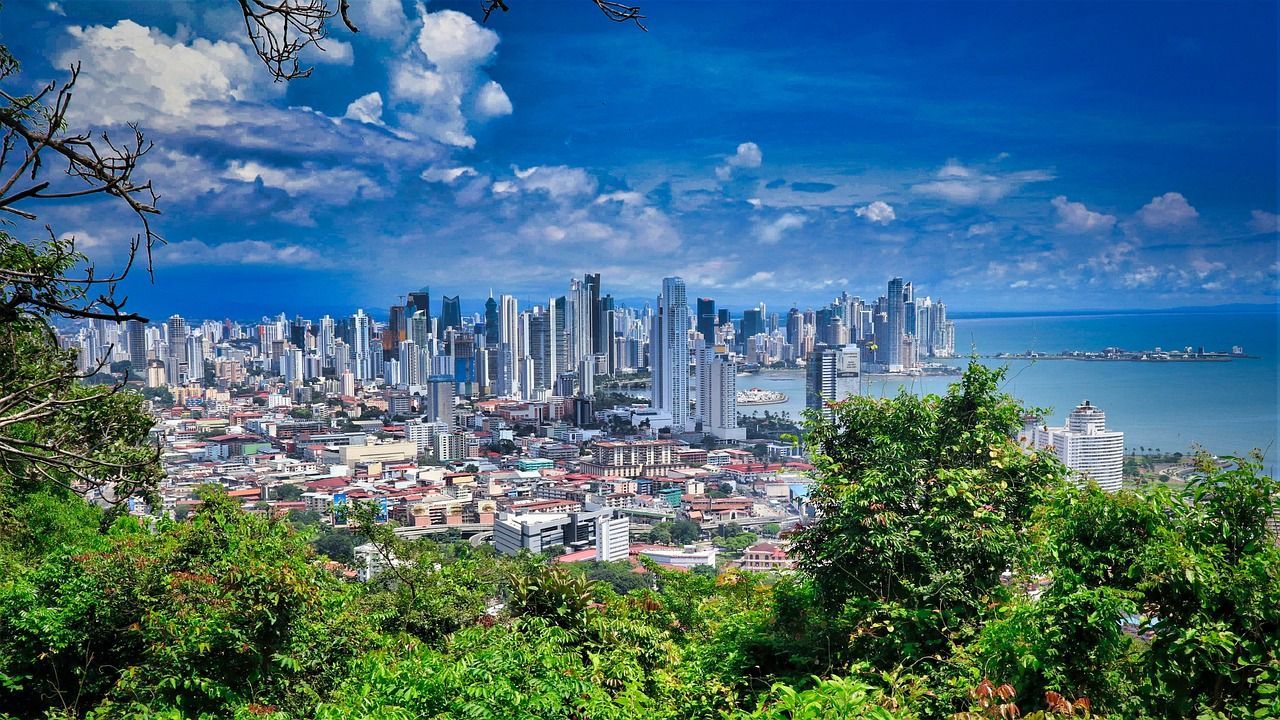
Today, modern Panama City is a metropolis in which tall, modern buildings, department stores, large mansions, hotels and casinos are cropping up everywhere. It is by far the most modern city in Central America. This is helped by the fact it lies outside any earthquake and hurricane zones
By night, Panama City really comes to life with numerous theatres, restaurants, bars and clubs. The city's Amador Causeway sits on the edge of the city overlooking the south entrance to the canal and in the evening fills with locals and visitors gathering for drinks or dinner at sunset.
Day Thirteen
Transfer to Tocumen International Airport for flight to Miami
Stay in Miami for four nights
The vibrant atmosphere of Miami sets it apart from its East Coast rivals. The pace of life here is high tempo and there’s plenty to see and do in this ever-evolving city. The city has a blaze of Art Deco architecture plus golden-sand beach areas where you can surf, swim and kayak. There are plenty of museums and attractions to explore too.
Highlight
Miami
Whether you're into sport, sunshine or salsa, Miami sizzles all year round with great beaches, exciting entertainment, vibrant nightlife and world-class hotels and restaurants. The key attraction is Miami Beach; a thin strip of land between the Atlantic Ocean and Biscayne Bay. The southern section, South Beach, is well known for its pastel-hued Art Deco buildings, hip nightclubs and smart restaurants. The best restaurants line Ocean Drive. The most opulent villa is the Casa Casuarina; the former home of Gianni Versace. Other parts of the city worth visiting include Little Havana and Little Haiti, both lively Hispanic districts.
Day Seventeen
Transfer to Miami International Airport for flight to London Heathrow
Day Eighteen
Arrive London Heathrow
This trip to Costa Rica, Panama City and Miami was arranged by us through Audley Travel.
For more information on this itinerary or to chat through any of your travel plans, do pop in and see us or get in touch.
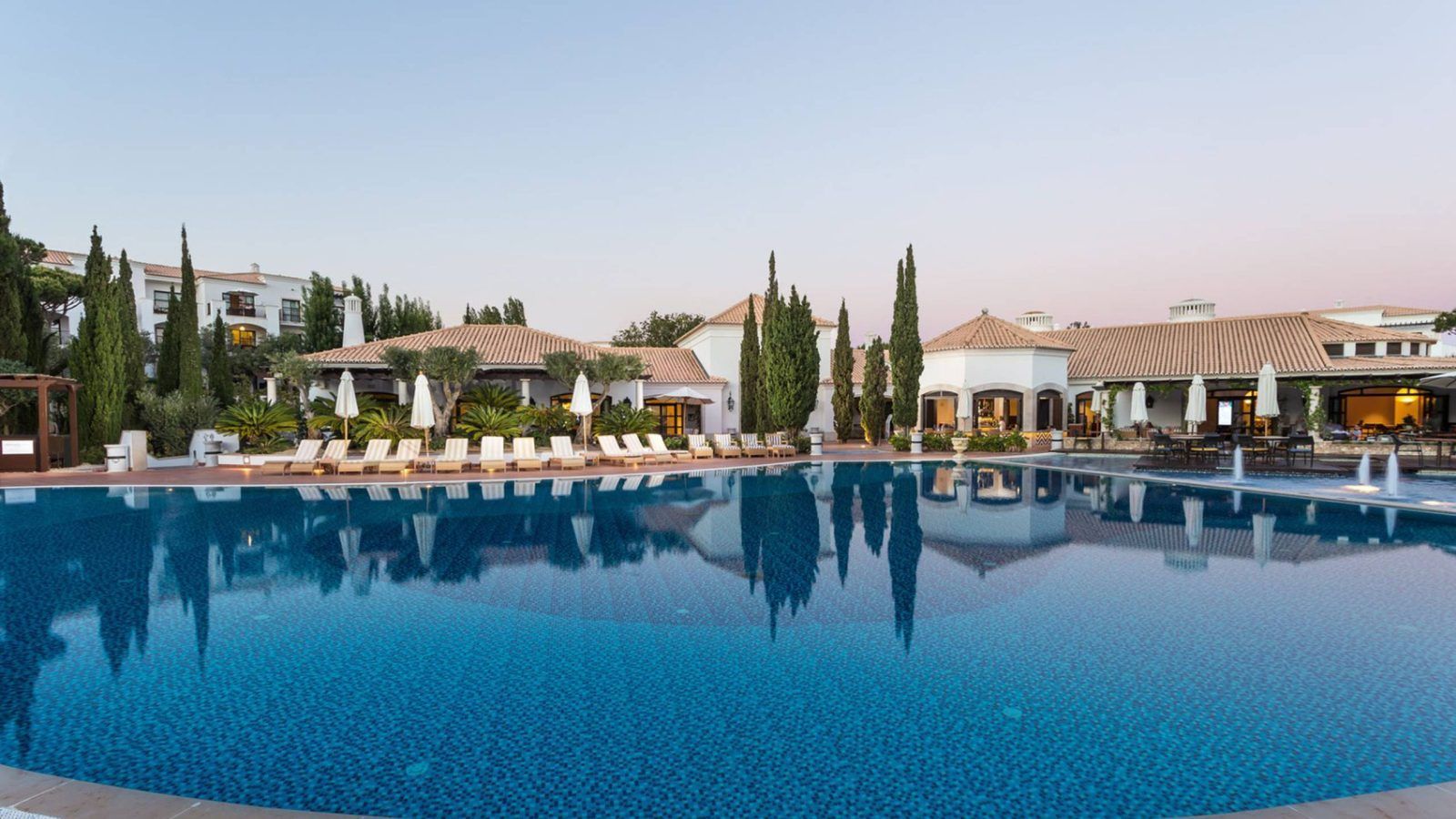
Martyn's multi-generational stay at Pine Cliffs Resort in the Algarve proved that it is one of those places that manages to cater for everyone without losing its sense of luxury. Set above the beautiful golden sands of Falesia Beach, and just 45 minutes from Faro Airport, it’s also wonderfully easy to reach. Take an early EasyJet or BA flight from London and, before you know it, you could be enjoying lunch at one of the resort’s many restaurants. Originally built in 1992, Pine Cliffs has grown into a substantial resort, offering a choice of accommodation, facilities and activities to suit all sorts of travellers. The main hotel has 217 rooms, while the wider resort includes 148 Ocean Suites, 154 suites at The Residence, and further options at Pine Cliffs Village. Plenty to keep everyone happy For families, there’s a dedicated children’s area for little ones from six months to eight years, with activities including mini-golf and treasure hunts, as well as a children’s pool. Older children and teenagers are well catered for too, with plenty of space to explore and activities to keep them entertained. For adults who like to stay active, there’s a nine-hole par-3 golf course, four padel courts and the Annabel Croft Tennis Academy, which has four floodlit tennis courts. Tennis lessons and social mix-ins can be arranged, making it easy to enjoy a little exercise while on holiday. And then, of course, there’s the beach. A few steps - or a lift - take you down to the beautiful sandy Falesia Beach, where the Mare Restaurant & Bar is perfect for a mid-morning espresso, a leisurely lunch or a refreshing drink. Sunbeds are available for guests, although they can get busy during the high season. Further along the beach, the independent Golfino restaurant is a lovely spot for lunch or simply a beer with your feet in the sand. Dining, relaxation and a little indulgence With more than 15 restaurants and bars, dining is a big part of the Pine Cliffs experience. There’s a wide choice, from buffet dining to organic options, so whether you’re looking for something casual or a more special evening, there’s plenty to choose from. One of the most memorable spots is El Mirador Champagne Bar, perched on the clifftop with wonderful views over the Atlantic. It’s the perfect place to enjoy a sunset and raise a glass to your holiday. For a little extra indulgence, the Aurum Suite at the Serenity Spa offers an exclusive spa experience - ideal for those moments when you simply want to switch off and be thoroughly pampered. Across the resort, pools are dotted among attractive gardens, with lovely areas for relaxing and sunbeds tucked beneath the pine trees. There’s also an outdoor cinema screen showing films and sporting events during the day, adding a little entertainment without disturbing the overall laid-back atmosphere. A resort that works for families We visited in August with our family and four children aged between four and ten, and they were all entertained by the range of activities on offer. What I particularly liked was that everyone could enjoy the holiday in their own way: the children had plenty to do, while adults could relax, enjoy the restaurants, spend time by the pool or head down to the beach. Pine Cliffs is a resort I would highly recommend for multi-generational groups, particularly those looking for a combination of luxury, convenience and plenty of choice. It’s the sort of place where grandparents, parents and children can all have a wonderful holiday together—without necessarily doing the same thing every day. There are also some attractive early-booking offers available, making it worth planning ahead. Prices for two adults sharing on a bed-and-breakfast basis in the hotel start from around £1,600 per person, including flights and a transfer, subject to availability and booking date. For more information drop me an email or give me a call .
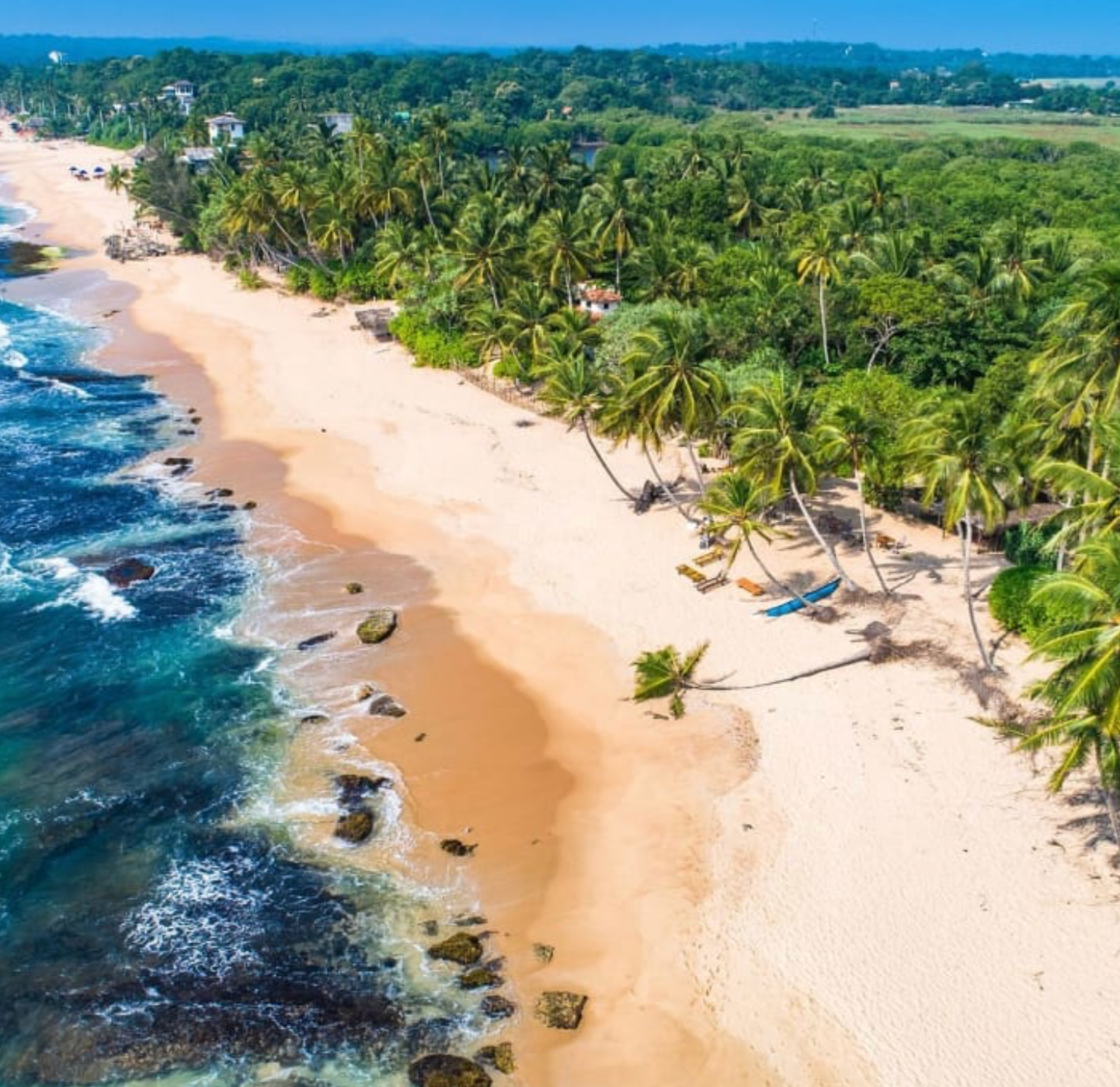
Few destinations pack quite so much variety into one island. Sri Lanka is a place where ancient kingdoms, fragrant tea plantations, golden beaches and extraordinary wildlife come together against a backdrop of lush tropical landscapes. Its story is equally rich. Centuries of Portuguese, Dutch and British influence have left their mark on the island’s architecture, traditions and cuisine, while its ancient Buddhist heritage can be discovered in temples, ruins and sacred sites across the country. At the heart of Sri Lanka lies the Cultural Triangle , stretching between the ancient capitals of Anuradhapura, Polonnaruwa and Kandy. Here, history comes vividly to life. Explore the atmospheric cave temples of Dambulla, discover the ruins of Polonnaruwa or climb the dramatic rock fortress of Sigiriya , rising above the surrounding jungle and one of the island’s most unforgettable sights. Further south, the landscape changes dramatically. In the cool central highlands, emerald tea plantations cover the hillsides, while historic railways wind through misty valleys and mountain scenery. A journey by train is one of the most memorable ways to experience this beautiful region — and, of course, there is always time for a cup of fragrant Ceylon tea along the way. For wildlife lovers, Sri Lanka is hard to beat. Its national parks offer the chance to encounter elephants, leopards, sloth bears and crocodiles in their natural habitats. Head to Yala , Udawalawe or one of the island’s other wildlife-rich parks for a safari, or venture offshore in search of whales along the southern coast at the right time of year. Then there is the coast. Palm-fringed beaches invite long, lazy afternoons, while the historic city of Galle offers something altogether different. Wander the atmospheric lanes of its UNESCO-listed fort, browse independent shops and galleries, or simply settle into a café and watch life unfold around you. And wherever you travel, food is part of the experience. Sri Lankan cuisine is vibrant, fragrant and wonderfully varied, from freshly caught fish and aromatic curries to hoppers, pol sambol and an abundance of tropical fruit. Pair it with Ceylon tea, or perhaps sample a little local Arrack in the evening. A journey made for exploring Sri Lanka rewards those who take their time. Days might begin among ancient ruins, continue with a scenic train journey through the hills and end with a safari or sunset on the coast. Along the way, there are opportunities to meet local communities, share a game of cricket with residents, learn about traditional cooking or simply enjoy the warmth and hospitality for which the island is known. With a wonderfully varied choice of carefully selected hotels, from Colombo and the Cultural Triangle to the hill country, safari regions, southern coast and East Coast, Sri Lanka lends itself perfectly to a tailor-made touring holiday. When to visit Sri Lanka can be visited throughout much of the year, although the ideal time depends on where you plan to travel. November to March generally brings the driest conditions to the south and west, while April to September is a popular period for exploring the Cultural Triangle and parts of the east. The island is influenced by two distinct monsoon seasons, with the south-west and central hills typically experiencing the south-west monsoon from May to September, and the north and east affected by the north-east monsoon from November to February. Whenever you choose to visit, Sri Lanka offers an extraordinary combination of culture, wildlife, scenery, food and warm hospitality — all within one captivating island. Inspired by our colleagues at Lusso - explore their Sri Lanka programme here and get in touch with us to find out more.
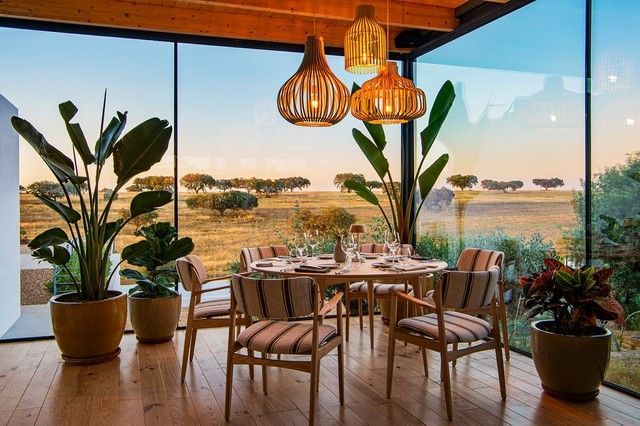
A cultural city break or a tranquil escape to the Mediterranean? Here are some ideas for late summer escapes Aria, Budapest ‘Queen of the Danube’, the Hungarian capital is a majestic city, with Gothic architecture, grand boulevards and elegant coffee houses. The stylish Aria hotel is in an excellent location, near St. Stephen's Basilica and the State Opera House. It has 49 luxurious rooms, a bar and restaurant, a spa and indoor swimming pool. Evan highly recommends a walking tour with an expert guide to delve into Hungary's rich artistic and musical heritage. SPECIAL OFFER: 4 nights for the price of 3 all year - price from £1,339 per person, saving up to £190 Includes return flights, return private car transfers, accommodation including breakfast and a three-hour private walking tour Le Domaine du Mas de Pierre, Saint-Paul-de-Vence Located just outside Saint-Paul-de-Vence, Le Mas de Pierre is one of the finest hotels in the South of France. A member of Relais & Châteaux, it has 76 rooms with private terraces or balconies, indoor and outdoor swimming pools and an excellent restaurant. Take a guided tour to take in the charming old town, with its lively restaurants and enormous open-air market. The Chagall Museum and the Musée Matisse are also well worth visiting – we can book tickets for your before you go. 3 night price from £1,525 per person Includes return flights, accommodation including breakfast and car hire. An additional city tax of €42.21 per person (approx. £38) is payable locally Carrig House, Kerry For those seeking cooler climates, what about a short break to Ireland? Just south-west of Cork, you will find picturesque coastal scenery, colourful fishing villages and the famous Ring of Kerry. This charming restored Victorian manor house has just 16 lakeview rooms, four acres of gardens and plenty of comfortable lounges to enjoy afternoon tea. Why not consider a tailor-made holiday combining Kerry with Cork, Dublin or Limerick? 3 night price from £1,179 per person Includes return flights, accommodation with breakfast and car hire. Electra Palace, Thessaloniki One of the oldest cities in Europe, Thessaloniki: a fascinating port town with well-preserved Byzantine ruins. The Electra Palace is in an ideal location overlooking Aristotelous Square and close to the Archaeological Museum. Its 130 rooms are elegantly decorated, and there is a rooftop restaurant with sea views as well as two swimming pools. Michael would be delighted to create a longer, tailor-made itinerary combining Athens, Santorini or other Greek islands, all of which can be easily reached via regional flights. 4 night price from £1,059 per person Includes return flights, return private car transfers and accommodation including breakfast. An additional Climate Resilience Tax of €30 per person (approx. £25) is payable locally. Herdade de Malhadinha Nova, Alentejo Alentejo is a region of beautiful countryside, with ancient olive groves, vineyards, and historic small towns. Just two hours from Lisbon, the Soares family have created a stylish rural retreat and modern winery, with a Green Michelin-starred restaurant. The rooms, suites and villas are spread across six buildings with swimming pools and a spa. For a fascinating cultural excursion, Tom encourages you to visit the UNESCO World Heritage site of Evora to see the Roman Temple of Diana (1h 30m drive) or the mosque-church in Mertola (50 minute drive). 3 night price from £1,589 per person Includes return flights to Faro, car hire (private transfers available on request), accommodation including breakfast, a welcome drink and tour of the property and wine-tasting. Corallo, Sorrento Sorrento's charming streets, lively piazzas and authentic restaurants have attracted discerning travellers since the 19th century. The Corallo sits on a cliff overlooking the Bay of Naples and provides a tranquil oasis close to the town centre. There are 51 rooms with private balconies, an infinity pool and an excellent restaurant, as well as a complimentary shuttle to Piazza Lauro. With Naples just an hour's drive away and nearby ferries connecting to Amalfi, Positano, Capri and Ischia, this an ideal base to explore the Amalfi Coast. 5 night price from £2,498 per person Includes return flights, return private car transfers and accommodation including breakfast. An additional tourist tax of €25 euros per person (approx. £21) is payable locally. To find out more, pop in and see us or get in touch.
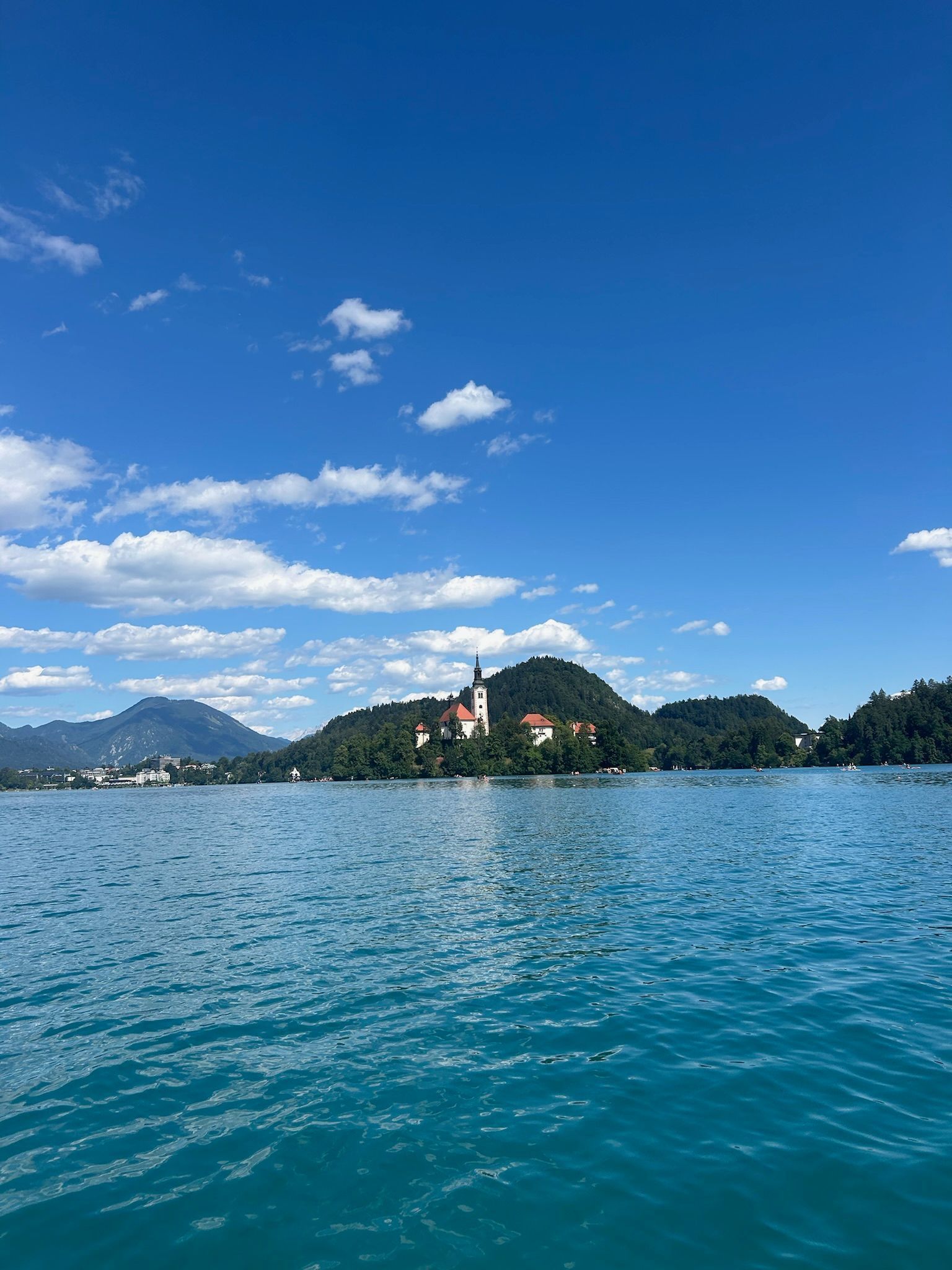
When we started planning our week in Lake Bled, Slovenia, the brief was simple: somewhere beautiful, somewhere active and somewhere that would keep two energetic older teenagers/young adults entertained. We wanted adventure, fresh air and experiences we would all remember - but we also wanted time to slow down, switch off and enjoy being together as a family. Lake Bled turned out to be exactly what we were looking for. The journey there couldn’t have been easier. Just 30 minutes from Ljubljana Airport, we were soon driving through stunning alpine scenery, with mountains rising around us and glimpses of the famous turquoise lake appearing through the trees. It felt like we had arrived somewhere truly special. Our home for the week was Pension Mayer , a lovely family-run guesthouse that was the perfect base for our adventures. It was beautifully maintained with an alpine feel, potted geraniums on the balconies and was comfortable, welcoming and within walking distance of the lake. Breakfast was plentiful and served in the pretty gardens each morning. After busy days exploring, it was a pleasure to come back to somewhere relaxed and friendly. The guest house also offered bikes that we could borrow – something we took full advantage of! Our Week of Adventure One of the things we loved most about Lake Bled was that every day could be different. There was always something to do but never any pressure to rush. We quickly discovered that the best way to appreciate the lake was from the water. We hired paddleboards and spent time gently making our way across the lake, taking in those famous views of Bled Island and the church sitting perfectly in the middle. It was peaceful, beautiful and one of those moments where you have to remind yourself to put the camera away and simply enjoy being there. We also took a small wooden boat out on the water. As a family of rowers we were keen even though our only option was a wooden skiff type rowing boat. There was plenty of laughter, some pretty good steering and a definite reminder that teamwork is important, even if there was a battle for the oars! Still, we made it around the lake and over the explore Bled Island and created another great family memory. Legend has it that if you ring the wishing bell in the church at the top of Bled Island, your wish will come true. Flying Through the Trees One of the absolute highlights of the week was our zipline adventure . Zipline Dolinka offers the longest zipline in Europe – 7 ziplines, 4km of skyline and 2.5 hours of adventure. Zipline Dolinka is an exceptional organisation with young, professional and personable guides who made the adventure even more fun. It the perfect activity for those looking for a little adrenaline and excitement. Flying through the forest with the stunning views of Lake Bled and the surrounding mountains stretching out below was unforgettable. There was a real sense of adventure, and it was one of those experiences that had everyone smiling afterwards — even those who were slightly nervous beforehand! Racing Down the Mountain Of course, no family adventure would be complete without a little competition! We headed to Straža Bled for some tobogganing, where we raced down the hillside overlooking the lake. The views were spectacular — although I suspect everyone was more focused on beating each other down the track! It was great fun and proof that you are never too old to enjoy a bit of adrenaline and a little bit of friendly rivalry. Exploring on Two Feet and Two Wheels Lake Bled is a wonderful place for walking and cycling. We spent time cycling around the lake, stopping whenever we fancied to enjoy the views, take photos or simply sit and watch the world go by. Walking became part of our daily routine too. Whether it was wandering into town, exploring paths around the lake or heading out into the surrounding countryside, the scenery was always breathtaking. The mountains, forests and fresh alpine air made every walk feel like a mini adventure. One of our favourite excursions was th e Vintgar Gorge . Just a short distance from Lake Bled, this spectacular natural wonder is a must-visit. Walking along the wooden walkways above the crystal-clear river, surrounded by towering cliffs, waterfalls and lush green forest, felt like stepping into another world. It was one of those places where everyone — teenagers included — stopped talking for a moment and simply took it all in. Discovering Slovenian Traditions It wasn’t just the scenery and activities that made the trip special. We also enjoyed experiencing some local culture, including watching traditional Slovenian dancers perform. The music, costumes and energy gave us a wonderful insight into the country’s heritage and reminded us that travel is about connecting with places and people, not just ticking off attractions. The Moments Between the Adventures Although the zipline, paddleboarding, cycling and tobogganing were fantastic, some of our favourite memories came from the quieter moments. Evenings back at Pension Mayer often involved nothing more complicated than sitting together, chatting about the day and playing cards. With teenagers, those moments where everyone is genuinely present and engaged are precious. There was laughter, a bit of competitive arguing (all very friendly, of course!) and plenty of stories from the day’s adventures. Why We Loved Lake Bled Lake Bled gave us exactly what we hoped for: adventure, beautiful scenery, culture and time together as a family. It was a place where we could spend the morning cycling, the afternoon paddleboarding, the evening enjoying many of the plentiful and excellent restaurants in Bled. For families with active teenagers, it is hard to think of a better destination. There is enough excitement to keep everyone happy, enough natural beauty to make parents fall in love with it and enough peaceful moments to remind you that sometimes the best part of a holiday is simply being together. We left Lake Bled with tired legs, hundreds of photos and a collection of memories that will stay with us for a very long time.
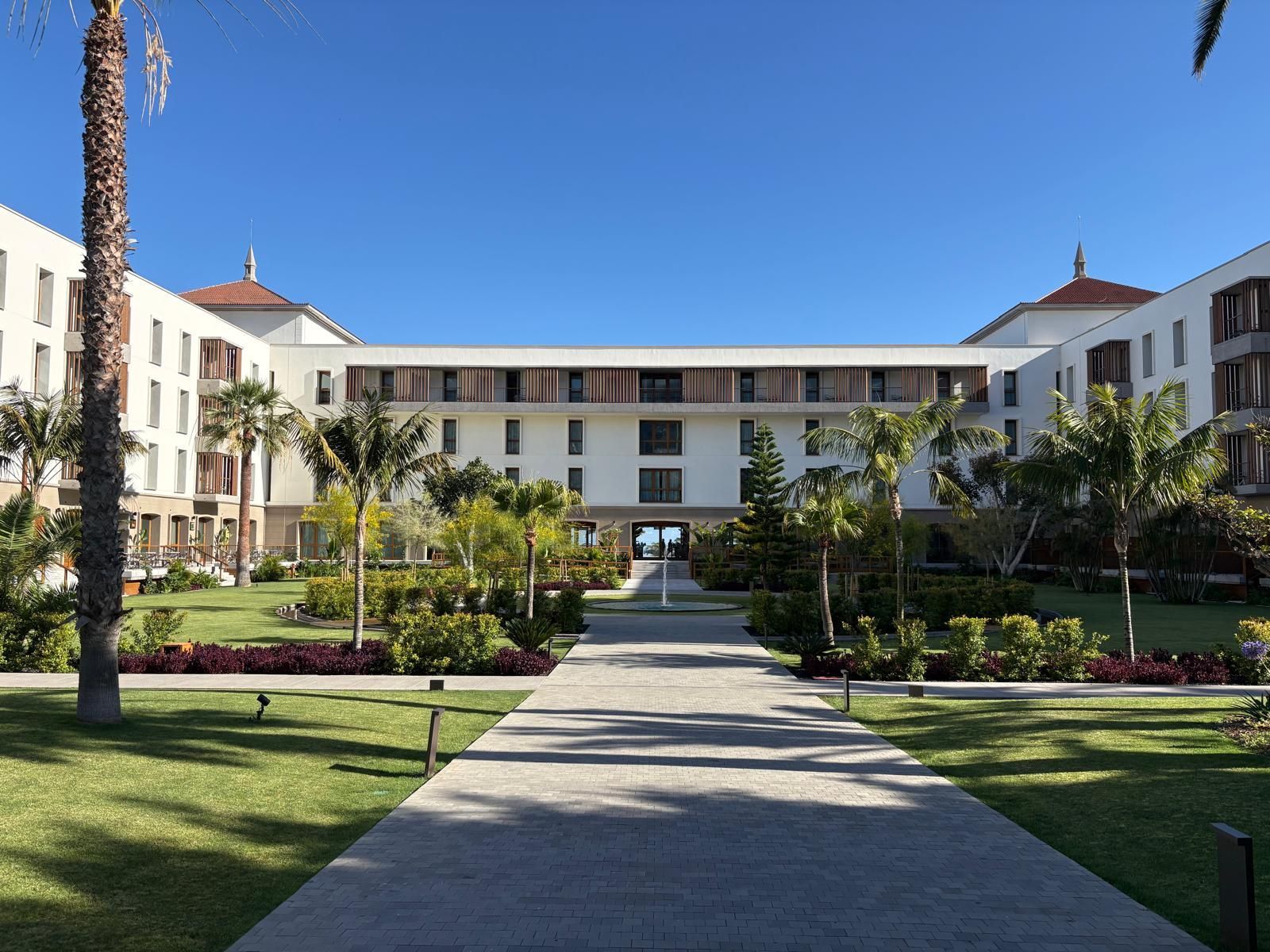
Fancy an authentic Spanish break? Looking for the perfect mix of culture, architecture, coastline, relaxation and sightseeing? Then why not try something a little different and head to the charming northern town of Puerto de la Cruz in Tenerife. Just over an hour’s transfer from Tenerife South Airport, Puerto de la Cruz is a magical blend of old and new. Wander through its historic streets, browse the lovely independent shops and enjoy delicious meals in the many traditional restaurants and cafés. It feels wonderfully Spanish and offers a completely different experience to the island’s busier southern resorts. I recently spent three amazing nights at the newly renovated five-star Gran Hotel Taoro, and it truly exceeded my expectations. Dating back to 1890, this magnificent building was Spain’s first grand hotel and has welcomed royalty, dignitaries and famous guests throughout its remarkable history. Following a meticulous restoration, the hotel has been transformed into one of the finest properties in Tenerife – if not the whole Canary Islands. Located just a short walk from the old town, it occupies an elevated position with spectacular views, making it the perfect place to unwind beside one of its two beautiful heated swimming pools. The hotel is mainly adult-focused, creating a wonderfully peaceful and relaxing atmosphere. The contemporary rooms have been thoughtfully designed with every modern comfort in mind. It’s the little details that impressed me most, from the elegant décor to practical touches such as charging points inside the room safe. During my stay, I was fortunate enough to explore some of northern Tenerife’s most beautiful villages, including Garachico and La Orotava. I honestly hadn’t realised Tenerife was home to such picturesque places. As we visited on a Sunday, we watched local families leaving church before gathering in the shaded squares beneath the beautiful jacaranda trees to enjoy coffee and conversation. It was such a lovely atmosphere and felt incredibly authentic. If you’ve already visited Spain’s major cities and are looking for somewhere that offers genuine Spanish charm, fascinating history and a luxurious hotel where you can truly relax, Puerto de la Cruz could be just the destination. I’d recommend a three or four-night stay, giving you plenty of time to soak up the sunshine, explore the local sights and experience a different side of Tenerife. Even better, with the Gran Hotel Taoro currently offering attractive soft-opening rates, there’s never been a better time to discover this hidden gem. Want to know more? Get in touch with Karen or pop into the office in Claygate .
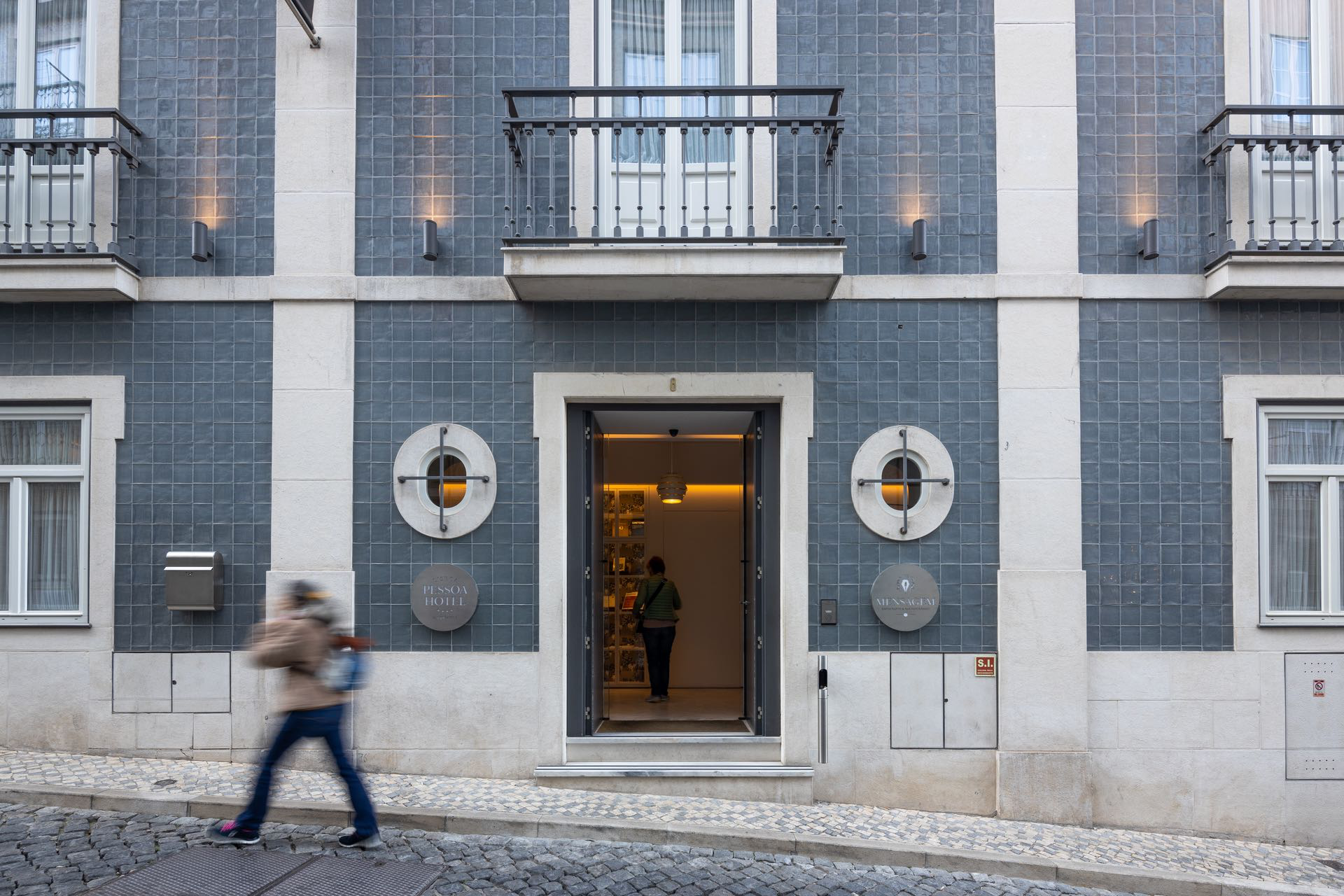
A couple of weekends ago, we decided it was time for a change of scenery. We wanted a destination with reliable sunshine, fantastic food and the opportunity to add another European city to our list. Lisbon quickly rose to the top of the shortlist. Having visited the Portuguese capital twice before on work trips, I already knew it had all the ingredients for a great weekend away – and it certainly didn’t disappoint. Arriving in Lisbon One thing worth mentioning immediately is passport control. Since the introduction of new biometric checks for UK travellers entering the EU, stories of long queues have become common. Thankfully, our experience was quite the opposite. We joined the queue and were through in around 20 minutes, with fingerprinting and biometric photographs completed quickly and efficiently. We had booked our trip as an easyJet Holiday package and our transfer driver was waiting for us when we arrived. Around 30 minutes later, we were checking into the excellent Lisboa Pessoa Hotel, perfectly positioned on the edge of the Bairro Alto and Chiado districts. The four-star hotel proved to be an excellent choice. It offers comfortable rooms, a lovely rooftop bar with views across the city and a very good restaurant serving breakfast, lunch and dinner. That said, Lisbon is blessed with so many fantastic restaurants that bed and breakfast is probably all you’ll need. As we had taken a later flight we didn’t arrive until around 9pm, so after settling in it was time to rest and prepare for our first full day exploring. A Walking Tour: The Best Way to Start The following morning, I had booked a walking tour of Lisbon – something I have come to regard as one of the best ways to get your bearings in a new city. It’s a tip I picked up from one of our partner operators, Kirker Holidays, who regularly recommend guided walks at the start of a trip. You don’t need to commit to an expensive four-hour private tour either. We opted for a relaxed two-hour “Get to Know Lisbon” walk, which cost around £30 per person. Our small group explored the historic streets of the old town while our guide shared stories, local history and useful insider tips. One particularly valuable piece of advice involved Lisbon’s metro and railway stations. In some locations, taking an escalator up or down and exiting from a different entrance can transport you to an entirely different level of the city, saving your legs from some of Lisbon’s famously steep hills. Trust me – you’ll appreciate every shortcut you can find. Exploring the City After our tour, we stopped for lunch just off Praça do Comércio. Despite being in one of the city’s most popular tourist areas, we found prices surprisingly reasonable. The afternoon was spent wandering through Lisbon’s streets and discovering hidden corners, one of the highlights being Livraria Bertrand in Chiado. Founded in 1732, it holds the Guinness World Record as the world’s oldest operating bookshop. Visitors can browse the shelves as normal, but one particularly nice touch is that any book purchased can be stamped to show it was bought at this historic store – a lovely souvenir for book lovers. Dinner at Time Out Market During our walking tour, our guide recommended the Time Out Market, so that evening we headed back there for dinner. We chose Pap’Açorda, located on the first floor, which had been recommended to us and served an excellent meal. However, if I were visiting again, I would probably do things slightly differently. The real appeal of the market lies downstairs, where dozens of food stalls showcase some of Lisbon’s best chefs and restaurants under one roof. The atmosphere is lively and informal, and the communal seating area allows everyone to choose exactly what they fancy. Looking back, we wish we had embraced the full food market experience. Castles, Custard Tarts and Monasteries The next morning, before the day became too hot, we tackled the climb to Castelo de São Jorge. The castle offers spectacular views across Lisbon’s rooftops and the River Tagus and is well worth a visit. Entry is included with the Lisboa Card, which quickly proved its value during our stay. For around €30, the card includes free or discounted entry to many attractions as well as unlimited use of public transport, making it a worthwhile investment if you plan to explore the city properly. Later that afternoon, we caught a bus to Belém to visit the original home of the famous Pastel de Nata. The bakery where it all began remains one of Lisbon’s biggest attractions, and it’s easy to see why once you taste one fresh from the oven. Just a short walk away is the magnificent Jerónimos Monastery, another landmark included with the Lisboa Card and one of Lisbon’s architectural highlights. Final Thoughts Lisbon is everything you could want from a city break: beautiful architecture, fascinating history, excellent food and a wonderfully relaxed atmosphere. Even after a long weekend, it felt like we had only scratched the surface. We didn’t even manage to take the short train journey to Cascais, which simply gives us another reason to return. If you’re looking for a European escape that combines culture, cuisine and sunshine, Lisbon should be very high on your list. I‘d love to chat more about it so do get in touch! Martyn
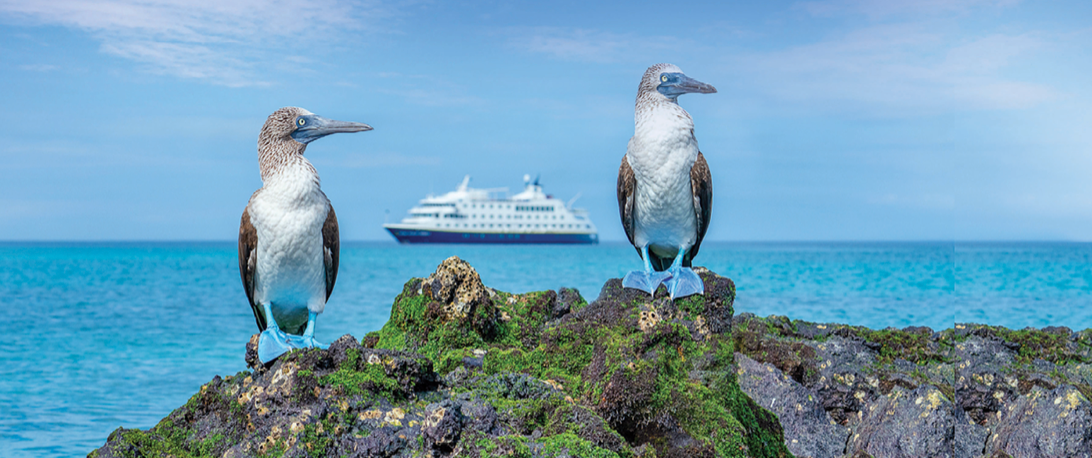
Few destinations are more iconic than the Galápagos Islands, where Lindblad Expeditions brought the very first group of citizen explorers more than 50 years ago. Sail among the varied landscapes of this magical archipelago to encounter giant tortoises, blue-footed boobies, playful penguins, and charismatic sea lions, all unfazed by your presence. With multiple ways to explore on land and at sea, including hikes, photo walks, kayaking, stand-up paddleboarding, and snorkelling, every day reveals new discoveries interpreted by a team of expert local guides. National Geographic Lindblad Expeditions have launched two brand new extended itineraries - the 13-day Epic Galápagos Escape departing from November 2026 and the 17-day Ultimate Galápagos launching in January 2027. Designed for travellers seeking a more immersive Galápagos experience, these new extended journeys combine multiple itineraries into one seamless expedition, offering access to more islands, landscapes, wildlife habitats and visitor sites than ever before. With the opportunity to explore up to twice as many islands, guests can enjoy a deeper understanding of the archipelago’s extraordinary diversity at a more relaxed pace, with greater flexibility and time for exploration. These longer expeditions also increase the chances of rare wildlife encounters across a variety of ecosystems, creating an unforgettable way to experience the full wonder of the Galápagos. Travelling with National Geographic-Lindblad Expeditions means going beyond the ordinary. With a fleet of more than 20 purpose-built expedition ships, guests can explore some of the world’s most remote destinations alongside expert guides, naturalists and specialists with decades of experience. Selected departures are joined by National Geographic photographers and certified photo instructors, while daily recaps and real-time insights from onboard experts create a rich and immersive experience both on and off the ship. From hands-on conservation initiatives and locally inspired cuisine to educational programmes for young explorers and support for artisan communities around the world, every journey is designed to deepen connections with the places visited and the people who call them home. Get in touch to find out more.

It starts with a conversation with us
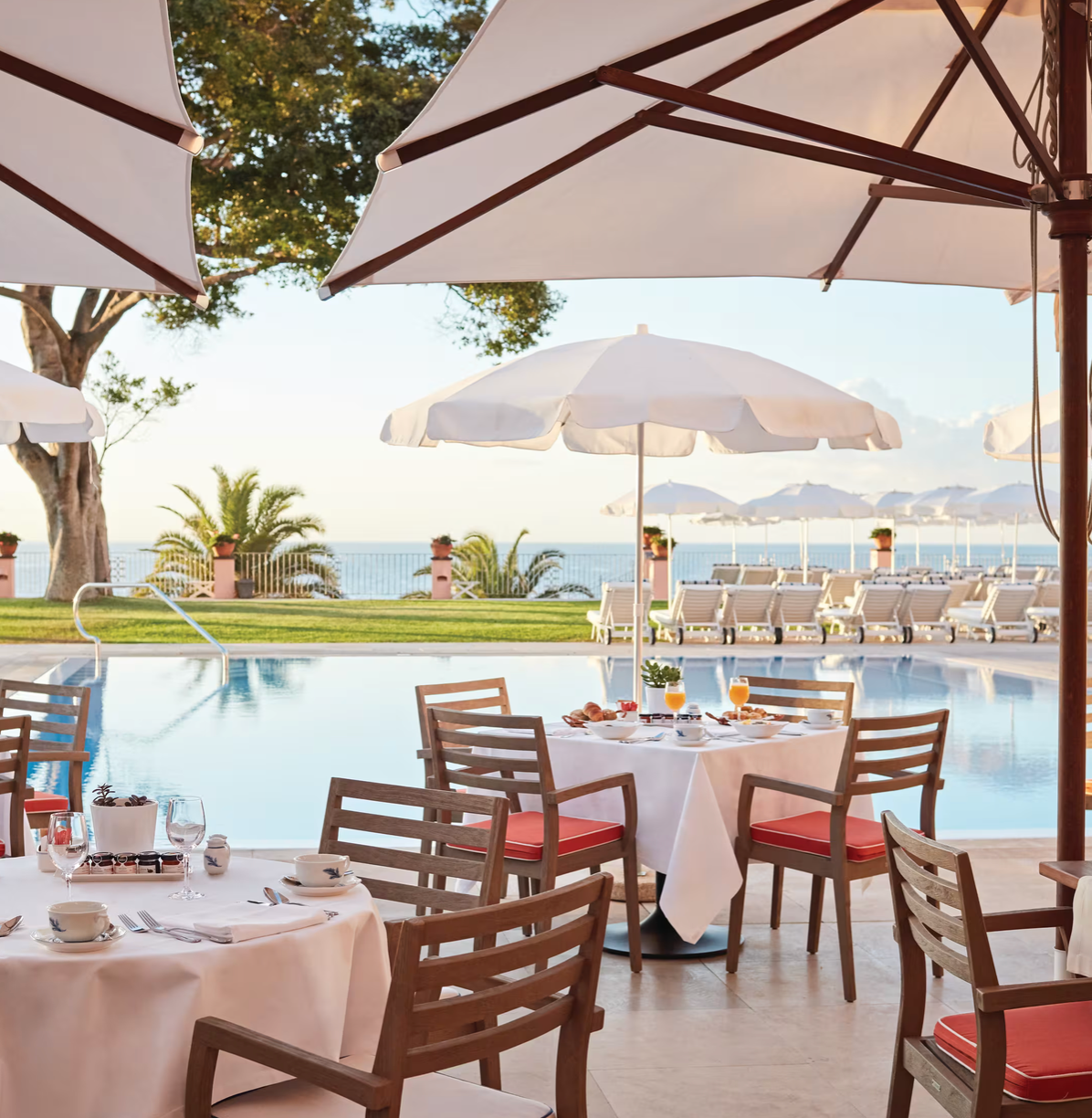
Jennie has just returned from Madeira and a stay at the iconic Reid’s Palace. This is what she had to say. Opened in 1891 and now part of the Belmond portfolio, this renowned five-star hotel combines timeless elegance with exceptional service. Perched on a dramatic clifftop overlooking Funchal, it offers breathtaking views of the Atlantic, along with beautifully maintained gardens, original architectural features, and three swimming pools. One of the highlights of our stay was the hotel’s famous afternoon tea, served on the terrace with panoramic views across the bay - an experience made even more special as we watched cruise ships arrive and depart. The hotel’s rich history adds to its charm; notable guests such as Winston Churchill have stayed here, and the complimentary guided tours of the property and gardens provide fascinating insights into its heritage and diverse plant life. During our visit, we made the most of what Madeira has to offer. We explored the picturesque fishing village of Câmara de Lobos, enjoyed a memorable boat trip spotting whales and dolphins, and took the cable car up to Monte before experiencing the famous toboggan ride back down. We also spent time visiting the local market, dining at excellent restaurants, and strolling through the charming streets of Funchal. Overall, Madeira exceeded our expectations, and I would highly recommend it as a destination. Reid's Palace in particular stands out as a truly exceptional place to stay, offering a perfect combination of location, history, comfort, and outstanding hospitality. For more information, get in touch with Jennie. .
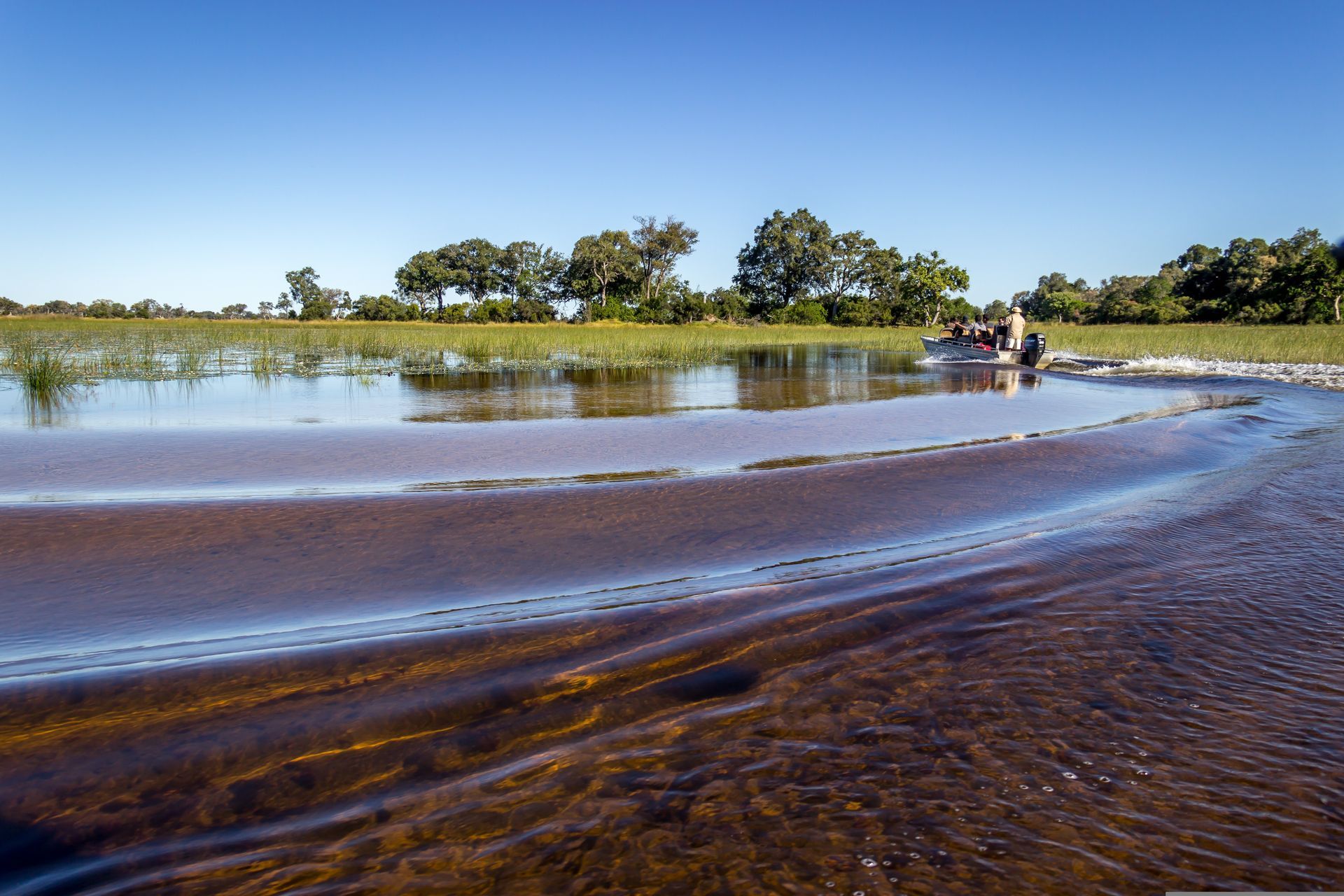
Tucked deep within the vast Kalahari Basin lies one of the world’s most extraordinary natural wonders: the Okavango Delta. This iconic wetland, shimmering like an oasis in a country that is nearly 80% arid, is the beating heart of Botswana’s wilderness. Fed by rains that fall over 1,000 km away in central Africa, the delta spills life into the desert, sustaining an astonishing diversity of wildlife and creating one of the most sought after safari destinations on Earth. A Landscape Untouched by Time The Okavango Delta is a place where nature still calls the shots. Its peaceful channels, papyrus-lined waterways, and remote islands feel almost untouched by human hands. This is wild Africa in its purest form - a sanctuary where ecosystems thrive as they have for millennia. During the wet season, the surrounding plains burst into lush grazing, drawing large mammals away from the delta. As winter approaches and the grasses thin, the wildlife returns in dramatic numbers. This seasonal ebb and flow creates some of the most spectacular game viewing anywhere on the continent. A Wildlife Haven Like No Other From the deep marshes to the dry island outcrops, the Okavango offers an unmatched variety of species in a single journey: • Hippos wallowing in quiet lagoons • Water birds in dazzling abundance • Rare water-adapted antelope like the sitatunga • Elephants, giraffes, lions, and cheetahs roaming the islands Botswana’s commitment to conservation has ensured that this biodiversity remains intact. With over 1,000 plant species, more than 400 bird species, and a thriving population of iconic mammals, the delta is a living testament to what protected wilderness can achieve. One of the most inspiring conservation stories is the return of the White Rhino. Once wiped out from this region, they were reintroduced in 2001 - and today, they are breeding once again. Botswana: A Country Devoted to Conservation Botswana stands as one of Africa’s last true wilderness strongholds. An impressive 35% of the country is dedicated to conservation - one of the highest proportions in the world. This commitment has preserved vast landscapes like the Okavango Delta, Chobe National Park, and the Moremi Game Reserve. Chobe alone is home to an estimated 70,000 elephants, the largest concentration on the continent. Watching these giants migrate across the plains—sometimes covering up to 200 km - is one of Africa’s great wildlife spectacles. The Classic Botswana Safari: 7 Days of Pure Adventure Destinations: Chobe National Park | Okavango Delta | Moremi Game Reserve Duration: 7 Days / 6 Nights Itinerary Highlights • Glide silently through the Okavango’s channels on a traditional mokoro • Witness enormous elephant herds in Chobe National Park • Enjoy exclusive big game viewing in pristine wilderness • Fly between remote lodges in true Out of Africa style This itinerary can begin or end in Maun or Kasane, and it’s flexible - extend it, shorten it, or focus on just two regions if time is tight. When to Go April and May are fair, June and July are good. The late dry season (August - September) is particularly magical, with wildlife congregating around shrinking water sources and the delta at its most accessible. For more information, get in touch .